Are Your Smoke Alarms Compliant? (Brisbane Rental Property Checklist)
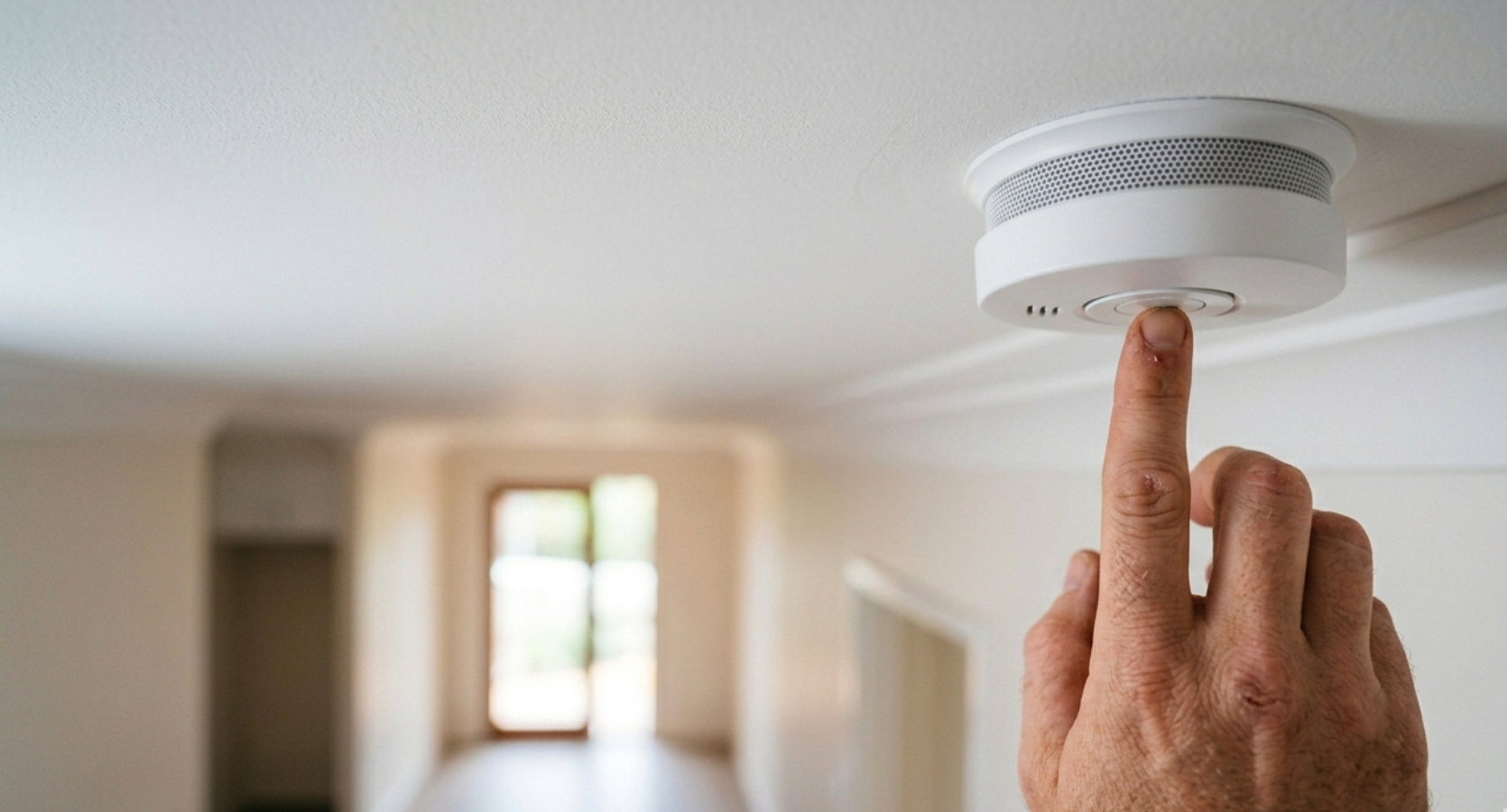
Queensland landlords have more than just an installation obligation when it comes to smoke alarms. From alarm type and placement to pre-tenancy testing and ongoing maintenance, here's a practical compliance checklist for Brisbane rental property owners who'd rather get it right than find out the hard way.
Are Your Smoke Alarms Compliant? Brisbane Rental Property Checklist
Being a landlord in Brisbane comes with a lot of moving parts. Smoke alarm compliance is one of the parts that quietly bites people when they're not paying attention.
Queensland has some of the most specific residential smoke alarm laws in the country, and for rental properties, the obligations go well beyond just having alarms on the ceiling. The type, placement, power source, interconnection, and ongoing maintenance all matter, and they're all your responsibility as the property owner.
This checklist is designed to help Brisbane landlords and property managers know exactly where they stand, before a new tenancy starts, before a lease renewal, and well before any dispute arises.
First, The Legal Context
Since 1 January 2022, all Queensland rental properties must have fully compliant smoke alarms installed before a new tenancy agreement is signed or an existing lease is renewed.
This isn't a soft recommendation. Under the Residential Tenancies and Rooming Accommodation Act 2008 (Qld), tenants have the right to terminate a tenancy if the property isn't compliant at the start of the lease. There's no grace period once a tenant is in the door.
The legislation sits under the broader smoke alarm overhaul introduced through the Fire and Emergency Services Act 1990 (Qld), which Queensland has been rolling out in stages since 2017.
The Compliance Checklist
Work through each section before your next tenancy begins.
Alarm Type
Every smoke alarm in the property must be photoelectric. Not ionisation. Not a combination type. Photoelectric only.
Photoelectric alarms detect smouldering fires faster, which is the type most likely to occur while people are asleep. The science behind this is what drove Queensland to change the laws in the first place.
If you're not sure what type of alarms are currently installed, check the label on the alarm itself. It will state the detection technology. If it says ionisation, or if you genuinely don't know, assume they need replacing.
Power Source
Alarms must be powered by one of two methods:
Hardwired to mains power with a battery backup, or fitted with a sealed non-removable 10-year lithium battery.
Standard 9-volt or AA battery alarms do not meet Queensland requirements, regardless of the detection type.
Interconnection
All alarms throughout the property must be interconnected. When one alarm activates, every alarm in the home sounds. This can be achieved through hardwired interconnection or a wireless system, provided all alarms communicate with each other reliably.
A property with four alarms that operate independently is not compliant.
Placement
This is the section where a lot of otherwise well-intentioned landlords fall short. Queensland law requires alarms in the following locations:
In every bedroom
In every hallway that connects bedrooms to the rest of the home
On every storey of the dwelling, including basements and attached garages that contain a bedroom
If there is no hallway between a bedroom and the living areas, an alarm must be installed between those spaces. One alarm in a central hallway no longer satisfies the requirement.
For a standard three-bedroom Brisbane home with a single hallway, that typically means a minimum of four alarms. Larger homes, split-levels, or homes with multiple hallways will need more.
Age and Condition
Smoke alarms have a service life. Most photoelectric alarms are rated for ten years from the date of manufacture, not installation. The manufacture date is printed on the alarm itself.
An alarm that is at or past its end-of-life date must be replaced, regardless of whether it still appears to be functioning.
Alarms that are physically damaged, discoloured, or have been painted over also need to go.
Ongoing Obligations: Before Every Tenancy
Installing compliant alarms is step one. Maintaining them is the part that continues with every new lease.
Under Queensland tenancy legislation, landlords must do the following within 30 days before a new tenancy begins:
Test every smoke alarm in the property and confirm it activates correctly.
Clean each alarm to remove dust and debris, which can affect sensitivity and trigger false alarms or delayed responses.
Replace any flat or nearly flat batteries in battery-operated alarms.
Replace any alarm that has reached the end of its service life.
If a smoke alarm needs replacement and a tenant is already in the property, the landlord is required to replace it within five business days of becoming aware of the issue. Tenants also have obligations during a tenancy, including reporting faults promptly and not removing or tampering with alarms, but the primary duty of compliance sits with the owner.
What Tenants Can Do If Alarms Aren't Compliant
Queensland tenants are increasingly aware of their rights here, and rightly so.
If a rental property does not have compliant smoke alarms at the start of a tenancy, the tenant may issue a notice to remedy the breach. If the landlord fails to act, the tenant can apply to the Queensland Civil and Administrative Tribunal (QCAT) or in some circumstances, terminate the tenancy altogether.
Beyond the tenancy implications, non-compliant alarms in a rental property that experiences a fire could expose a landlord to significant liability, particularly if an insurer determines the property did not meet its legal obligations at the time of the incident.
A Note on Documentation
Queensland law doesn't currently mandate a specific compliance certificate for smoke alarms in rental properties the way some states handle electrical safety. However, keeping a written record of every inspection, test, cleaning, and installation is a straightforward way to protect yourself if a dispute ever arises.
A simple log noting the date, what was done, and who carried out the work is enough. If a licensed electrician performs or verifies the installation, keep that paperwork too.
Not Sure Where Your Property Stands?
If you're managing a Brisbane rental and you're not completely certain your smoke alarms meet Queensland's current requirements, the safest move is to have a licensed electrician assess the property before your next tenancy begins.
At Exclusive Electrical & Air, we carry out smoke alarm compliance checks and installations for Brisbane landlords and property managers across all suburbs. We'll assess what's currently installed, identify anything that needs upgrading, and handle the full installation to QFES standards, with the documentation to back it up.
It's a straightforward job when done right. And it's a far smaller headache than dealing with a non-compliance dispute mid-tenancy.
Book a smoke alarm compliance check with Exclusive Electrical & Air today. Get in touch and we'll take care of it properly.