Circuit Breaker Feels Hot? Here’s What It Means (Brisbane Electrical Warning Signs)
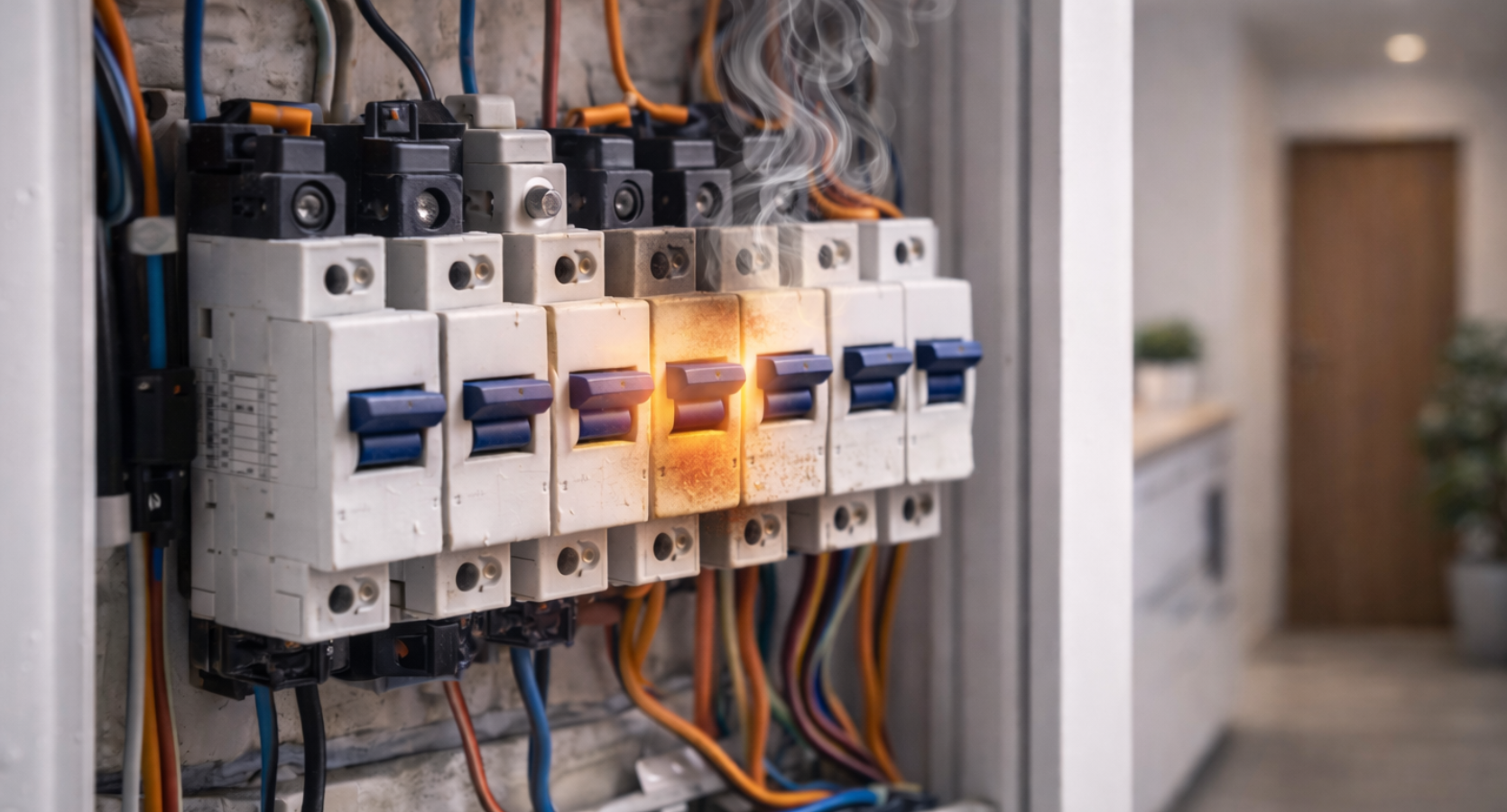
A Brisbane-focused safety guide explaining why a circuit breaker feels hot to the touch, the most common electrical causes behind it, and when it becomes an urgent hazard that needs a licensed electrician.
If your circuit breaker feels hot to the touch, don’t ignore it.
A breaker should never be “too warm to hold” or noticeably hot.
Heat inside a switchboard is usually a warning sign of:
overload
loose wiring
failing breaker components
arcing or poor connections
circuits running beyond safe limits
In Brisbane homes, this is especially common during:
summer heatwaves
heavy aircon usage
older switchboards in older suburbs
high-demand evenings when multiple appliances run
The important part:
Heat is the step before damage.
If a breaker keeps running hot, it can lead to:
nuisance tripping
burnt wiring
melted switchboard components
fire risk
full circuit failure
Let’s break down why it happens and what to do.
Quick Diagnosis Checklist (Before You Touch Anything)
Without opening anything, check these:
Is the breaker hot all the time or only when certain appliances run?
Does it get hotter when the aircon, oven, or hot water system is on?
Can you smell burning plastic near the switchboard?
Are lights flickering or dimming in the home?
Has the breaker tripped recently?
If there’s any smell, crackling, or heat that’s increasing, treat it as urgent.
1. The Circuit is Overloaded (Most Common Cause)
A breaker heats up when the circuit is carrying more current than it should for long periods.
Common Brisbane overload situations:
multiple aircons running at once
aircon + oven + hot water system
older homes with fewer circuits
added appliances over time (without upgrading circuits)
electric cooking + high power loads in the same area
Signs:
breaker gets hot during peak usage
breaker trips occasionally
lights dim slightly when appliances start
power points in that area feel warm
Overload is one of the most common causes of overheating breakers in Brisbane summers.
2. Loose Wiring or Terminal Connection (High Fire Risk)
Loose wiring is one of the most dangerous causes of heat.
When a connection is loose, it creates resistance.
Resistance creates heat.
This can lead to:
burnt terminals
melted insulation
arcing
eventual fire inside the switchboard
Signs:
breaker feels hot even with moderate use
buzzing or faint crackling near the board
burning smell
breaker trips randomly under load
discolouration around the breaker (if visible)
Loose terminals must be tested and tightened safely by a licensed electrician.
3. The Breaker Itself is Worn or Failing
Breakers don’t last forever.
A failing breaker can heat up because its internal contacts are worn, pitted, or damaged.
This is more common when:
the breaker has tripped many times
the switchboard is older
there has been ongoing overload
the breaker is underrated for the load
Signs:
heat builds up even when the circuit is not heavily loaded
breaker trips more often than it used to
buzzing or humming sound from the breaker
breaker feels hotter than nearby breakers
Replacing a worn breaker early is far cheaper than replacing damaged wiring later.
4. Poor Switchboard Ventilation (Brisbane Heat Problem)
Switchboards in garages, external walls, or tight enclosures can heat up faster in Brisbane.
Heat builds up when:
the board is in direct sun
airflow is restricted
the enclosure is older and compact
multiple breakers are loaded heavily in summer
Signs:
the whole board feels warm, not just one breaker
heat is worse during afternoons
multiple circuits feel warm at once
This isn’t always the root cause, but it makes overload and loose wiring more dangerous.
5. High Startup Current (Aircon Compressors and Motors)
Some appliances draw a heavy current spike when they start.
Common examples:
aircon compressors
pool pumps
fridges and freezers
older motors
If the breaker is already close to its limit, repeated startup surges can heat it up quickly.
Signs:
breaker gets hot when the appliance starts repeatedly
you hear the appliance “try” to start
lights dim briefly during startup
breaker becomes hot but doesn’t always trip
This is often a sign the circuit needs proper load assessment.
6. Neutral Connection or Voltage Imbalance Issues (Often Misunderstood)
In older Brisbane switchboards, neutral connections can loosen or degrade over time.
This can cause:
overheating
unstable voltage
buzzing
flickering lights
unexpected stress on breakers
Signs:
multiple breakers feel warm
lights flicker across different rooms
appliances behave oddly
buzzing near the switchboard
Neutral faults are serious and should be addressed immediately.
What You Should NOT Do
Avoid these common homeowner mistakes:
don’t keep resetting the breaker if it trips
don’t keep using the circuit “until it fails”
don’t open the switchboard to inspect wiring
don’t ignore heat thinking it’s normal in summer
Heat is your early warning.
When It’s a Safety Emergency
Stop using that circuit and call a licensed electrician urgently if you notice:
burning smell near the switchboard
crackling or buzzing sounds
breaker too hot to touch
discolouration or melted plastic
repeated trips
lights flickering in multiple areas
the whole switchboard feels hot
These signs can indicate active overheating, arcing, or wiring damage.
Final Word: A Hot Breaker Means Something is Overloading, Loose, or Failing
A circuit breaker that feels hot is not normal.
It means the circuit is under stress and heat is building where it shouldn’t.
In Brisbane, this happens most during:
summer aircon season
peak evening load
older suburb switchboards
high-demand appliances running together
The earlier it’s checked, the safer and cheaper the fix.
👉 Need a licensed electrician in Brisbane to check a hot circuit breaker?
Contact Exclusive Electrical & Air to test the circuit load, inspect the switchboard safely, and fix the underlying cause before it becomes dangerous.