Common Summer Solar Faults in Brisbane Homes
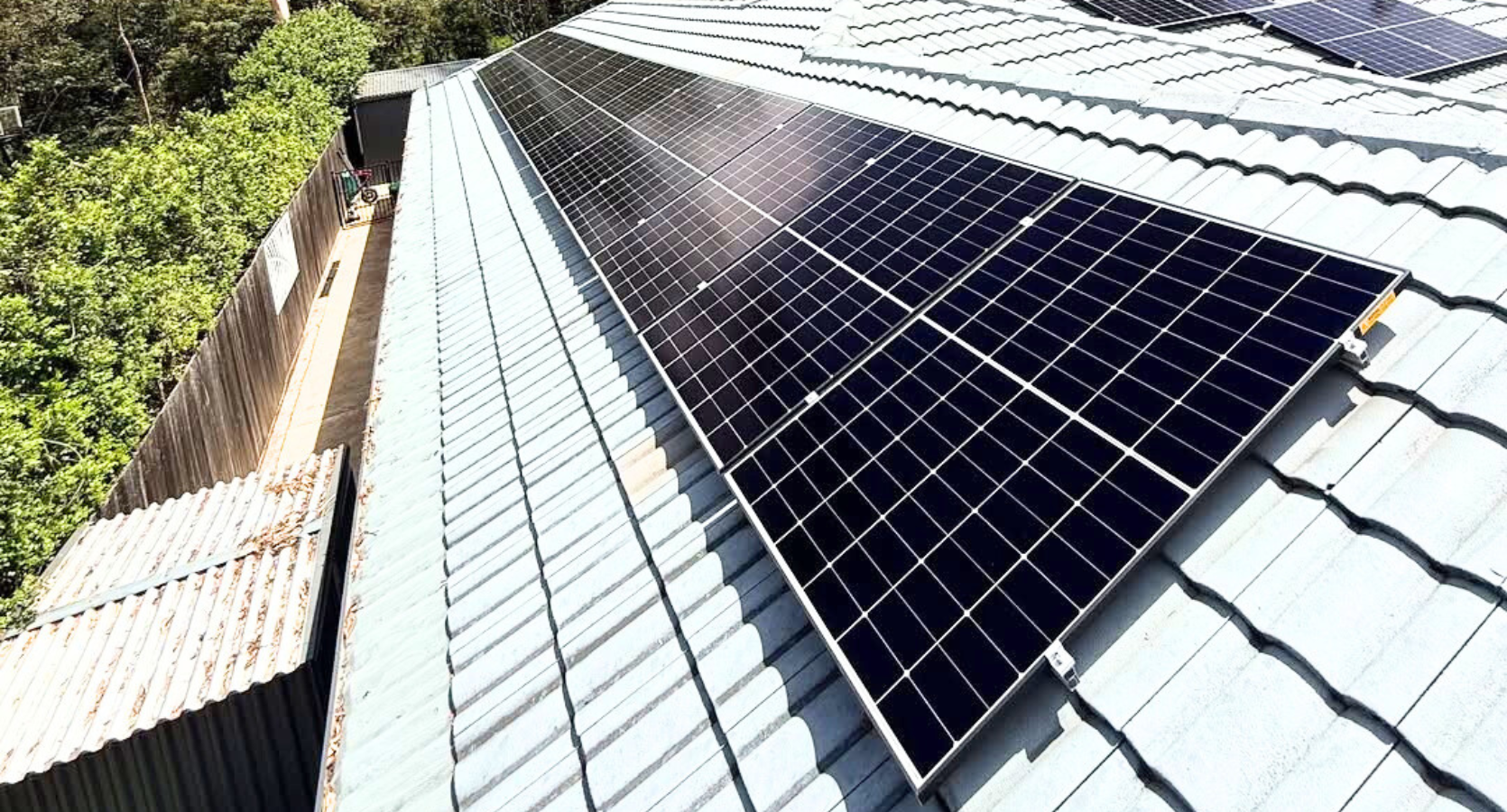
A Brisbane-specific guide to the most common solar system faults during summer, including inverter shutdowns, power drops, heat damage, and storm-related issues.
Brisbane summers push solar systems harder than any other time of year.
Extreme heat, humidity, storms, and long daylight hours place constant stress on solar panels, inverters, wiring, and switchboards.
While solar systems are designed for Australian conditions, summer is when faults are most likely to appear; especially in systems that are older, poorly ventilated, or already under strain.
Here are the most common solar faults Brisbane homeowners experience during summer and what they usually mean.
1. Inverter Overheating and Automatic Shutdowns
This is the most common summer solar issue in Brisbane.
When temperatures climb, inverters can overheat and shut themselves down to prevent internal damage.
Common causes include:
Inverter installed in direct sunlight
Poor ventilation
High ambient temperatures
Dust buildup restricting airflow
When this happens, solar production may drop suddenly or stop completely during the hottest part of the day, then restart later once temperatures fall.
2. Reduced Solar Output Despite Full Sun
Many homeowners expect peak performance in summer, but extreme heat can actually reduce solar efficiency.
High temperatures can cause:
Lower panel voltage
Reduced inverter efficiency
Performance drops during midday heat
This often shows up as strong production in the morning, followed by a noticeable dip during the hottest hours.
3. Frequent Inverter Fault Codes
Summer heat can trigger inverter fault codes related to:
Overtemperature
Grid voltage issues
Internal protection modes
Cooling fan failures
While some codes clear themselves, repeated faults indicate the system is under stress and should be checked.
4. Storm-Related Solar Faults
Brisbane summer storms bring:
Lightning
Power surges
Heavy rain
Sudden grid fluctuations
These can cause:
Inverter communication faults
Tripped isolators
Surge-related damage
Monitoring system dropouts
Even if the system appears to recover, storm-related faults shouldn’t be ignored.
5. DC Isolator Heat Damage
Older or exposed DC isolators are especially vulnerable in summer.
Heat and UV exposure can lead to:
Warped housings
Cracked seals
Moisture ingress after storms
Internal arcing
This is a known summer risk and one of the most common safety issues found during inspections.
6. Solar Monitoring Apps Showing Irregular Data
During summer, monitoring apps may show:
Zero production during sunny periods
Random drops in output
Offline or disconnected inverters
These symptoms often point to inverter protection shutdowns, communication faults, or electrical issues rather than panel failure.
7. Switchboard and Circuit Stress from Solar Export
High solar generation combined with household usage can stress older switchboards.
This may result in:
Tripping breakers
Warm switchboard components
Buzzing noises
Export-related voltage issues
Homes with older electrical infrastructure are more likely to experience these problems during summer.
8. Moisture and Humidity-Related Electrical Issues
Brisbane’s summer humidity can affect:
Inverter internals
Wiring connections
Isolators and junction points
Moisture combined with heat accelerates corrosion and insulation breakdown, increasing the risk of faults.
Why Summer Solar Faults Shouldn’t Be Ignored
Most summer solar issues start small. Ignoring them can lead to:
Long-term inverter damage
Reduced system lifespan
Ongoing power loss
Electrical safety risks
Costly repairs later
Early checks during peak summer can prevent more serious failures.
Summer Is the True Stress Test for Solar Systems
If your solar system struggles during Brisbane’s hottest months, it’s a sign something isn’t coping with the conditions.
Understanding common summer faults helps homeowners spot issues early and take action before damage escalates.
👉 Need a solar system inspection in Brisbane?
Contact Exclusive Electrical & Air to assess summer-related solar issues and keep your system operating safely.