How Cold Weather Affects Your Electrical System
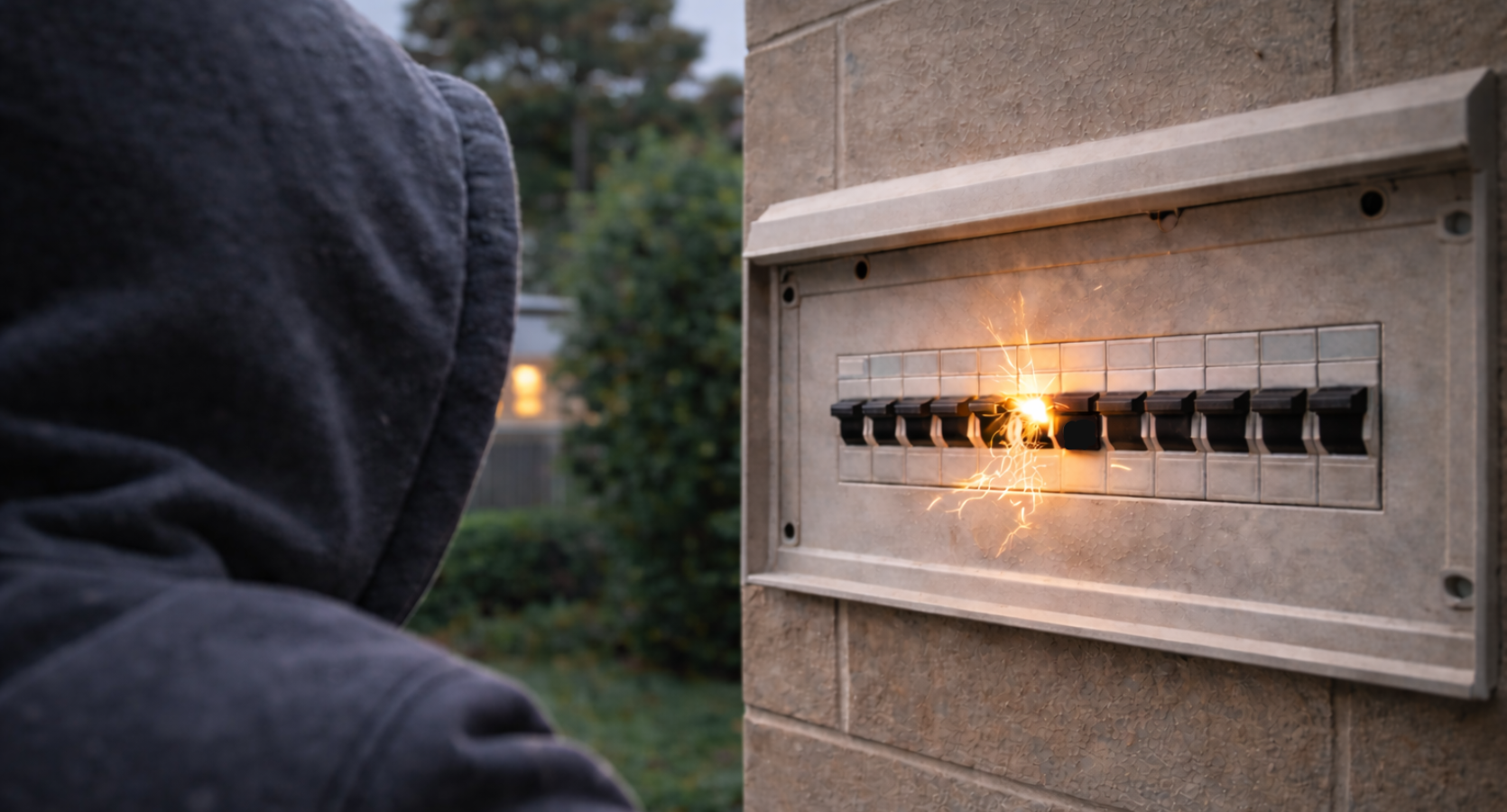
Even Brisbane’s mild winters can impact your home’s electrical system. Increased heating demand, appliance usage and ageing wiring can cause faults, breaker trips and higher power bills.
How Cold Weather Affects Your Electrical System
When winter arrives in Brisbane, most homeowners think about heaters, blankets and shorter days. What many people don’t realise is that cold weather can also place extra stress on their home’s electrical system.
Even though Brisbane doesn’t experience freezing temperatures like southern regions, seasonal changes still affect how electrical systems operate.
During winter, homes often use more electricity, run different appliances, and rely heavily on heating equipment. These changes can expose weaknesses in older electrical systems and wiring.
Understanding how winter affects your electrical system can help you prevent outages, avoid safety risks, and keep your home running smoothly.
Why Electrical Demand Increases During Winter
Electricity usage patterns change significantly in winter.
Common changes include:
Portable heaters running for long periods
Electric blankets used overnight
Clothes dryers replacing outdoor drying
Increased indoor lighting
Hot water systems working harder
While each device may not seem like a major load individually, running several at the same time can significantly increase electrical demand.
Older Brisbane homes may struggle to handle this additional load.
1. Heating Appliances Draw High Power
Heaters are one of the most energy-intensive appliances used in winter.
Portable electric heaters typically consume between 1500 and 2400 watts. That is close to the maximum capacity of many household circuits.
If a heater runs alongside other appliances such as:
Televisions
Laptops
Lamps
Chargers
The combined electrical load can overload the circuit.
This often leads to circuit breakers tripping or lights dimming when the heater turns on.
Internal link suggestion: electrical fault diagnosis.
2. Circuit Breakers May Trip More Often
Circuit breakers are designed to shut off power when a circuit becomes overloaded.
During winter, circuits may carry higher loads due to multiple heating devices running simultaneously.
Breaker trips are commonly caused by:
Portable heaters
Clothes dryers
Electric ovens
Electric hot water systems
If your breaker trips frequently during colder months, your home may need additional circuits or electrical upgrades.
3. Older Wiring Struggles with Seasonal Load Changes
Many Brisbane homes built decades ago were designed for much smaller electrical loads.
Back then, winter electrical demand was lower because:
Homes used fewer electric heaters
Appliances were less powerful
There were fewer electronic devices
Today’s households often run many devices simultaneously.
Older wiring may struggle to handle these increased loads, leading to overheating or voltage drops.
Warning signs may include:
Flickering lights
Warm outlets
Frequent breaker trips
Buzzing sounds near switches
4. Voltage Drop Can Become More Noticeable
Voltage drop occurs when the electrical system cannot supply enough power efficiently to appliances.
During winter, voltage drop can occur when high-demand appliances start operating.
You might notice:
Lights dimming when heaters turn on
Appliances taking longer to start
Electronics behaving inconsistently
This often indicates that circuits are operating near their maximum capacity.
Internal link suggestion: switchboard upgrades.
5. Electrical Connections Can Contract in Cooler Temperatures
Electrical components expand and contract slightly with temperature changes.
While Brisbane winters are mild, cooler temperatures can still affect older electrical connections.
Over time, connections inside switchboards, outlets and junction boxes may loosen slightly.
Loose connections can cause:
Flickering lights
Intermittent power issues
Increased electrical resistance
Electrical inspections can identify and tighten these connections before they cause larger problems.
6. Outdoor Electrical Equipment Faces More Moisture
Winter in Brisbane often brings increased rainfall and moisture.
Outdoor electrical systems such as:
Pool pumps
Garden lighting
Outdoor power points
Electric gates
may be exposed to damp conditions.
Moisture entering electrical fittings can cause:
Short circuits
Tripped safety switches
Corrosion of electrical components
Weatherproof fittings and regular inspections help prevent these issues.
7. Hot Water Systems Work Harder
Cold incoming water means electric hot water systems need to heat water more frequently.
This increases electrical demand and may reveal faults such as:
Failing heating elements
Faulty thermostats
Overloaded circuits
A hot water system drawing excessive power can contribute to higher electricity bills and circuit overload.
How to Prepare Your Electrical System for Winter
Brisbane homeowners can reduce electrical issues during winter with a few preventative steps.
Test Safety Switches
Safety switches should be tested regularly using the built-in test button.
Avoid Overloading Circuits
Spread appliances across different outlets and avoid running too many high-power devices on one circuit.
Inspect Heaters
Check heaters for damage, dust buildup or faulty cords before using them.
Schedule Electrical Inspections
A licensed electrician can inspect wiring, circuits and switchboards to ensure they can handle seasonal electrical demand.
When to Call an Electrician
You should consider calling a licensed electrician if you notice:
Frequent breaker trips during winter
Lights dimming when heaters turn on
Warm power outlets
Flickering lights
Electrical appliances behaving irregularly
Electrical work in Queensland must comply with the Electrical Safety Act 2002 (QLD) and should always be performed by licensed professionals.
FAQs: Winter Electrical Issues in Brisbane
Does winter increase electricity usage in Brisbane?
Yes. Increased heating, hot water demand and longer lighting hours often increase electricity consumption during winter.
Why does my heater trip the circuit breaker?
Portable heaters draw significant power. If the circuit already has several devices running, the breaker may trip to prevent overload.
Can cold weather damage electrical wiring?
Cold weather itself rarely damages wiring in Brisbane, but seasonal electrical load changes can expose weaknesses in older systems.
Why do lights dim when heaters turn on?
Heaters require high start-up current. If the circuit cannot supply enough power efficiently, the voltage may drop temporarily.
Should I get my electrical system checked before winter?
Yes. An inspection can identify overloaded circuits, loose connections and outdated switchboards before problems occur.
Keep Your Brisbane Home Safe During Winter
Seasonal changes may seem minor in Brisbane, but they can still affect your home’s electrical system.
Exclusive Electrical & Air helps Brisbane homeowners with:
Electrical inspections
Switchboard upgrades
Fault diagnosis
Power point installations
Air conditioning servicing
A professional electrical check can ensure your home’s wiring and circuits are ready to handle winter demand safely.
If your electrical system shows signs of strain during colder months, addressing the issue early can prevent larger problems later.