How Many Power Points Should a Modern Home Have?
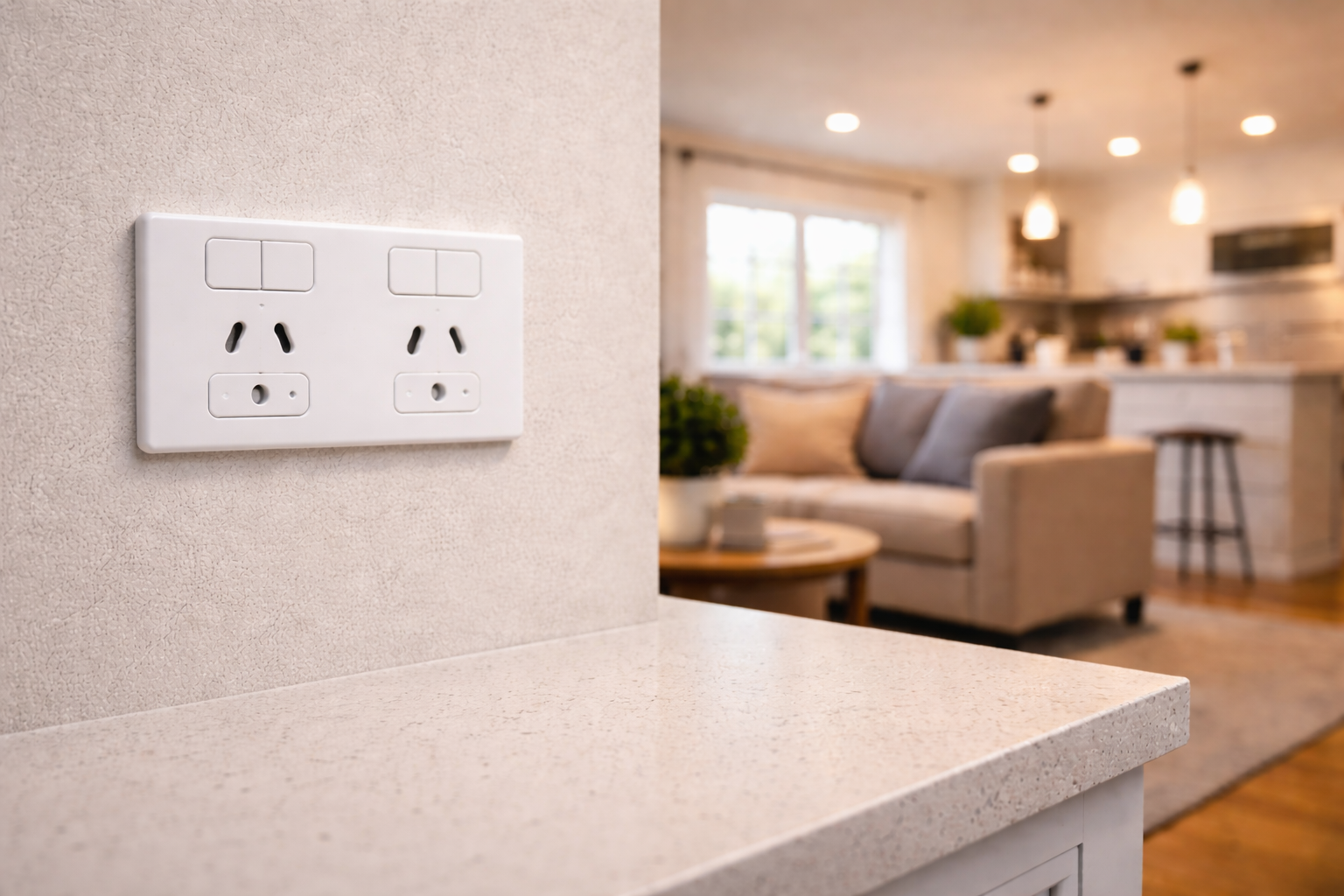
Modern homes require significantly more power points than older houses. Brisbane homeowners should plan enough outlets in each room to support appliances, home offices, and modern technology safely.
How Many Power Points Should a Modern Home Have?
Walk into many older Brisbane homes and you’ll notice the same thing: not enough power points.
A living room might have two outlets for an entire wall. Bedrooms might have a single double outlet tucked behind the door. Kitchens often rely on extension leads just to power everyday appliances.
That might have worked decades ago, but modern homes rely on far more electrical devices. From home offices and smart TVs to kitchen appliances and air conditioning systems, today’s households demand a much larger electrical capacity.
So how many power points should a modern home actually have?
The answer depends on the room, appliance usage, and how your household lives day-to-day.
Why Older Homes Don’t Have Enough Power Points
Many Brisbane homes built before the early 2000s were designed around a very different lifestyle.
Typical electrical loads included:
One television
A refrigerator
A microwave
A few lamps
Basic kitchen appliances
Fast forward to today and households now run:
Smart TVs and streaming devices
Multiple laptops and chargers
Gaming consoles
Home office equipment
Air conditioning units
Kitchen appliances
Smart home systems
Robot vacuums
EV chargers
When there aren’t enough power points, people rely on extension leads and power boards.
This creates two problems:
Electrical safety risks
Overloaded circuits
Installing additional outlets is usually the safest and most practical solution.
Internal link suggestion: power point installation Brisbane.
Recommended Number of Power Points by Room
There’s no strict rule that applies to every house, but modern electrical design follows practical guidelines based on usage.
Below are typical recommendations electricians use when planning outlets for new homes or renovations.
Living Room
The living room is often the most device-heavy space in the house.
Typical devices include:
Television
Sound system
Gaming console
Streaming devices
Lamps
Phone chargers
Smart home hubs
Recommended outlets:
6–10 power points
Key placement areas:
Behind the TV
Near couches for charging
Near entertainment units
Floor outlets if furniture sits centrally
Many Brisbane homeowners also install outlets with USB charging ports in living areas.
Kitchen
Kitchens require the most electrical outlets due to the number of appliances.
Common appliances include:
Kettle
Toaster
Coffee machine
Microwave
Blender
Air fryer
Dishwasher
Refrigerator
Recommended outlets:
8–12 power points
Important kitchen outlet areas include:
Above the benchtop
Inside pantry appliances zones
Dedicated outlets for large appliances
Island bench outlets where applicable
Kitchen electrical work must comply with Australian wiring standards and placement rules around water and cooking zones.
Bedrooms
Bedrooms now support much more than just bedside lamps.
Common devices include:
Phone chargers
Lamps
Alarm clocks
Televisions
Laptop chargers
Electric blankets
Air purifiers
Recommended outlets:
4–6 power points per bedroom
Typical placement includes:
Two outlets beside the bed
One near a desk or dressing table
One for TV or additional appliances
Homes with home offices inside bedrooms may require additional outlets.
Home Office
Remote work has dramatically increased electrical needs in home offices.
Typical devices include:
Computer
Monitors
Printer
Router
Desk lighting
Charging stations
Recommended outlets:
6–8 power points
A dedicated circuit may be recommended for larger workstations.
Internal link suggestion: electrical upgrades Brisbane.
Laundry
Laundry areas include several high-load appliances.
Common equipment includes:
Washing machine
Clothes dryer
Iron
Vacuum storage
Recommended outlets:
3–5 power points
Dryers often require dedicated circuits depending on their power requirements.
Garage
Garages now serve multiple functions including storage, workshops and EV charging.
Common electrical needs include:
Freezers
Tools
Chargers
Workbench lighting
EV charging equipment
Recommended outlets:
4–6 power points minimum
If an electric vehicle charger is planned, a dedicated high-capacity circuit will be required.
Signs Your Home Needs More Power Points
Many Brisbane homes clearly show when they lack sufficient outlets.
Common warning signs include:
Power boards in every room
Extension leads across floors
Devices constantly being unplugged and swapped
Overloaded power boards
Warm outlets or plugs
These situations increase electrical risks and are inconvenient for daily living.
Installing additional power points creates a safer and more practical electrical setup.
Electrical Safety Considerations
Adding outlets isn’t just about convenience. It’s also about safety.
Overloaded power boards and extension leads can cause:
Overheating
Electrical faults
Fire hazards
Circuit overloads
Professional installation ensures:
Correct wiring
Proper circuit load distribution
Compliance with Australian standards
Safe outlet placement
All electrical work in Queensland must be performed by a licensed electrician.
Smart Outlet Options for Modern Homes
Modern power points now include features that older homes didn’t have.
Popular options include:
USB charging outlets
USB-C fast charging outlets
Smart Wi-Fi controlled outlets
Weatherproof outdoor outlets
Floor-mounted outlets
Pop-up kitchen bench outlets
These options can make homes significantly more functional.
Should You Upgrade Circuits When Adding Power Points?
In some cases, yes.
If multiple outlets are added to an already heavily loaded circuit, the electrical system may require adjustments.
An electrician may recommend:
Circuit rebalancing
Additional circuits
Switchboard upgrades
Internal link suggestion: switchboard upgrades.
These improvements ensure the system can handle modern electrical demand safely.
FAQs: Power Points in Modern Homes
How many power points should a house have?
A modern home typically needs 30–50 power points depending on the size of the house and appliance usage.
Is it safe to rely on power boards instead of installing outlets?
Power boards should only be used temporarily. Relying on them long-term can overload circuits and increase fire risk.
Can electricians add power points to existing walls?
Yes. Licensed electricians can install additional outlets in existing walls by running new wiring from the switchboard or nearby circuits.
Do new homes in Australia require more outlets?
Yes. Modern electrical planning includes significantly more outlets to support today’s appliances and technology.
How much does it cost to add power points in Brisbane?
Costs vary depending on access, wiring complexity and location. An electrician can provide an accurate quote after inspecting the installation area.
Upgrade Your Home’s Electrical Convenience
If your Brisbane home constantly relies on power boards and extension leads, it may simply need more power points.
Exclusive Electrical & Air helps homeowners with:
Power point installation
Electrical upgrades
Switchboard upgrades
Circuit balancing
Full electrical inspections
A properly designed electrical layout makes your home safer, more convenient, and ready for modern technology.
If you’re planning renovations or simply want to improve everyday convenience, installing additional power points is often one of the most practical electrical upgrades available.