How Safe Are Old Extension Cords? What Brisbane Homeowners Should Know
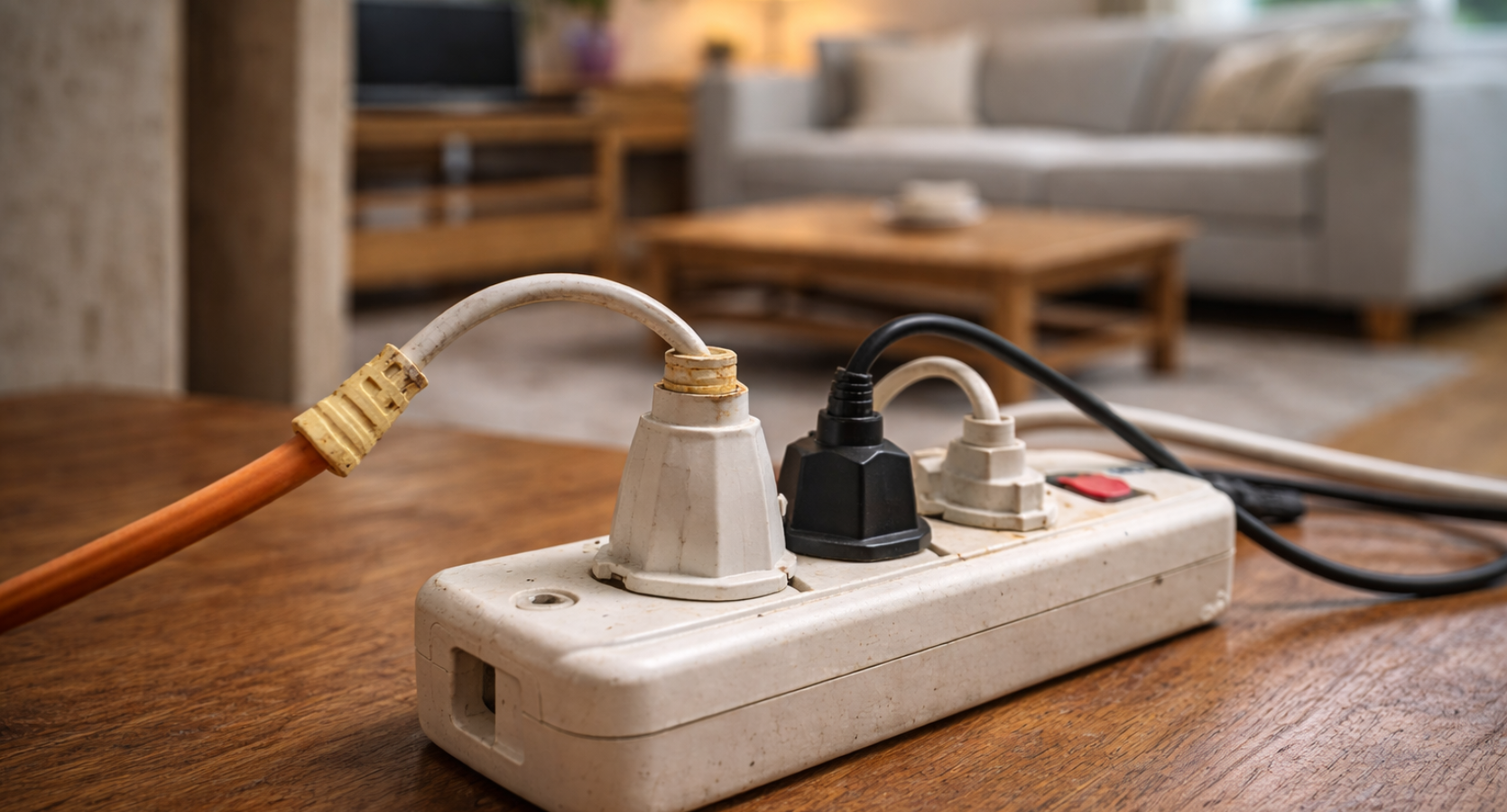
Old extension cords can become unsafe over time due to wear, overheating and internal damage. Brisbane homeowners should regularly inspect and replace them to avoid electrical risks.
How Safe Are Old Extension Cords? What Brisbane Homeowners Should Know
Extension cords are one of the most commonly used electrical accessories in Brisbane homes.
They’re convenient, flexible, and often treated as a permanent solution to not having enough power points.
That’s where the problem starts.
Extension cords are not designed for long-term, heavy-duty use. And as they age, they can become a serious electrical hazard if not properly maintained or replaced.
Why Extension Cords Become Unsafe Over Time
Extension cords degrade slowly.
Unlike fixed wiring inside your walls, they are exposed to:
Physical movement
Bending and twisting
Heat from electrical load
Dust and moisture
Over time, this leads to wear that isn’t always visible from the outside.
1. Internal Wiring Breaks Down
Inside every extension cord are copper conductors and insulation.
Repeated use can cause:
Internal wire fatigue
Broken strands
Increased electrical resistance
This can lead to:
Overheating
Reduced efficiency
Intermittent power supply
The outside may look fine, but the inside may already be compromised.
2. Insulation Deteriorates
The outer insulation protects the wiring from damage.
Over time, insulation can:
Crack
Harden
Split
Become brittle
This is especially common in:
Older cords
Cords exposed to sunlight
Cords used outdoors
Cheap or low-quality leads
Damaged insulation increases the risk of electric shock and short circuits.
3. Overloading Causes Heat Build-Up
Extension cords are often used to power multiple devices at once.
Common misuse includes:
Plugging in heaters
Running multiple appliances through one lead
Using power boards connected to extension cords
This creates excessive electrical load, leading to:
Heat buildup
Softened insulation
Internal damage
Over time, this repeated stress reduces the cord’s safety.
4. Loose Connections at Plugs and Sockets
The ends of extension cords can wear out.
This leads to:
Loose plugs
Poor electrical contact
Arcing (electricity jumping between gaps)
Arcing generates heat and can damage both the cord and connected devices.
5. Physical Damage Is Often Ignored
Extension cords are often:
Run under carpets
Trapped under furniture
Bent around corners
Pulled from the cord instead of the plug
This physical stress can damage internal wiring without obvious external signs.
Warning Signs an Extension Cord Is Unsafe
Brisbane homeowners should replace extension cords immediately if they notice:
Frayed or exposed wires
Cracked or brittle insulation
Warm or hot cords during use
Burn marks or discolouration
Loose plugs
Intermittent power
If you have to “wiggle it” to make it work, it’s already unsafe.
Why Extension Cords Are Not a Long-Term Solution
Extension cords are designed for temporary use.
Using them permanently can lead to:
Overloaded circuits
Increased fire risk
Trip hazards
Poor electrical performance
If you rely on extension cords daily, your home likely needs more power points.
Internal link suggestion: power point installation Brisbane.
High-Risk Situations to Avoid
Some extension cord uses are particularly dangerous:
Running heaters through extension cords
Using cords outdoors without weatherproof rating
Daisy-chaining multiple extension leads
Running cords under rugs or carpets
Using damaged cords “just for now”
These situations significantly increase the risk of overheating and fire.
Safer Alternatives for Brisbane Homes
Instead of relying on extension cords, consider:
Installing additional power points
Adding dedicated circuits for high-load appliances
Upgrading your switchboard
Using professionally installed outdoor outlets
Internal link suggestions:
switchboard upgrades Brisbane
installing additional circuits
These solutions are safer and more suitable for long-term use.
Electrical Safety Regulations in Queensland
Electrical safety in Queensland is governed by the Electrical Safety Act 2002 (QLD).
While extension cords are allowed for temporary use, permanent electrical installations must be completed by licensed electricians.
Improper use of extension cords can:
Void insurance claims in some cases
Increase liability in fire incidents
Create non-compliant electrical setups
When to Call a Licensed Electrician
You should consider a professional inspection if:
You rely heavily on extension cords
Power boards are used in multiple rooms
Outlets are insufficient for your needs
Circuits trip frequently
You’re planning to upgrade appliances
An electrician can assess your system and recommend safer, long-term solutions.
FAQs: Extension Cord Safety
Are old extension cords dangerous?
Yes. Over time, internal wiring and insulation can degrade, increasing the risk of overheating and electrical faults.
How long do extension cords last?
It depends on usage, but cords should be replaced if they show any signs of wear or damage.
Can I use an extension cord for a heater?
It’s not recommended. Heaters draw high power and should be plugged directly into wall outlets.
Is it safe to leave extension cords plugged in permanently?
No. Extension cords are designed for temporary use, not permanent electrical setups.
What’s better than using extension cords?
Installing additional power points or circuits is a safer and more reliable long-term solution.
Stop Relying on Temporary Fixes
Extension cords are useful… until they’re not.
If your Brisbane home depends on them daily, it’s a sign your electrical system isn’t keeping up with modern demand.
Exclusive Electrical & Air helps homeowners with:
Power point installation
Circuit upgrades
Switchboard upgrades
Electrical safety inspections
Fault diagnosis
A proper electrical setup removes the need for risky workarounds and ensures your home stays safe, efficient, and ready for everyday use.
Because “just using an extension cord” tends to become permanent faster than anyone wants to admit.