How to Prepare Your Home for an Electrical Safety Inspection
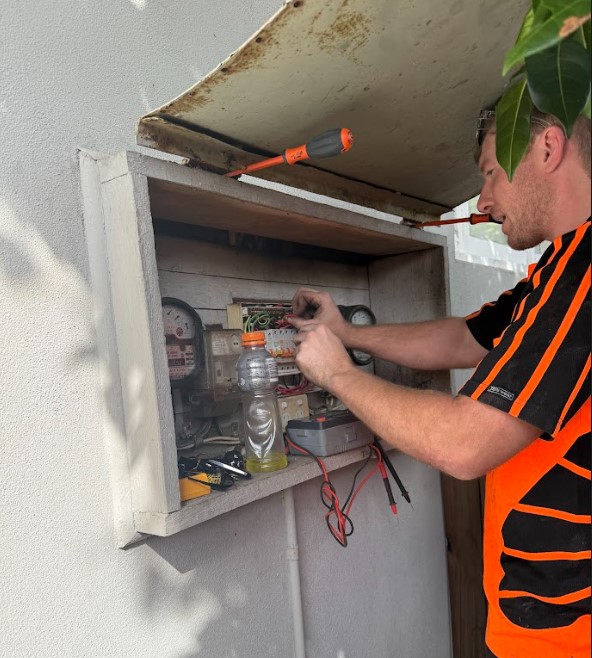
Get your Queensland home ready for an electrical safety inspection with this step-by-step guide. From checking switchboards and smoke alarms to fixing minor issues and hiring a licensed electrician, learn how to avoid costly surprises and ensure compliance before your inspection.
Why Preparing for an Electrical Safety Inspection is Important
In Queensland, an electrical safety inspection isn’t just a formality—it’s a key step to ensuring your home is safe, compliant, and up to standard. Whether you’re a homeowner, landlord, or preparing to sell, being proactive can save you from failed inspections, expensive repairs, and potential hazards.
Electrical faults are one of the leading causes of house fires, and in many cases, these could have been prevented through regular inspections and maintenance. By preparing ahead of time, you not only pass your inspection but also safeguard your family, property, and investment.
Step 1 – Understand What Inspectors Look For
Electrical safety inspectors in Queensland typically assess:
Switchboards – Checking condition, compliance, and safety switches.
Wiring – Looking for damage, wear, or outdated cabling.
Smoke Alarms – Ensuring they are photoelectric, interconnected, and positioned correctly (link to Smoke Alarm Installation in Brisbane).
Power Points & Light Switches – Checking for damage, heat marks, or loose fittings.
Earthing Systems – Making sure your system is safe and functional.
Tip: Refer to our Electrical Safety Checklist for Homeowners in Queensland to pre-check your home.
Step 2 – Check Your Switchboard and Safety Switches
Your switchboard is the heart of your home’s electrical system. A modern, compliant switchboard with safety switches for all circuits is essential for passing inspection.
If your switchboard is old, crowded, or lacks safety switches, consider upgrading before the inspection. Read our guide: Switchboard Upgrades in Brisbane: Ensure Your Home’s Safety and Compliance.
Step 3 – Inspect and Test Your Smoke Alarms
Queensland law requires:
Photoelectric alarms (no ionisation types)
Interconnection between all alarms
Placement in bedrooms, hallways, and each storey
If your alarms are outdated or not interconnected, arrange installation by a licensed electrician. Learn more in our Complete Guide to Smoke Alarm Installation in Brisbane.
Step 4 – Fix Minor Issues Before the Inspection
Small electrical faults can result in a failed inspection, even if they seem harmless. Before the inspector arrives:
Replace cracked power points and switches
Secure any loose fittings
Remove extension cord “permanent” setups
Replace faulty light fixtures
Step 5 – Ensure Access for the Inspector
Make it easy for the inspector to check all areas:
Unlock meter boxes and switchboard panels
Clear furniture blocking access to power points or alarms
Ensure roof space and underfloor areas are accessible if needed
Step 6 – Hire a Licensed Electrician for a Pre-Inspection
A licensed electrician can spot issues before the inspection and perform upgrades or repairs as required. This reduces the risk of delays and repeat visits.
At Exclusive Electrical Air, we provide:
Pre-inspection checks
Switchboard upgrades
Smoke alarm compliance
Electrical repairs and maintenance
What Happens if You Fail the Inspection?
Failing doesn’t mean disaster but it does mean extra time, expense, and possibly safety risks. Most inspectors will issue a report outlining faults and required repairs, and you’ll need to book a re-inspection.
By addressing these issues beforehand, you can avoid the stress and cost of rebooking.
Book Your Electrical Safety Inspection Preparation Today
Avoid surprises and pass your inspection with confidence.