Lights Flicker After a Storm? (Loose Neutral & Surge Damage Signs in Brisbane Homes)
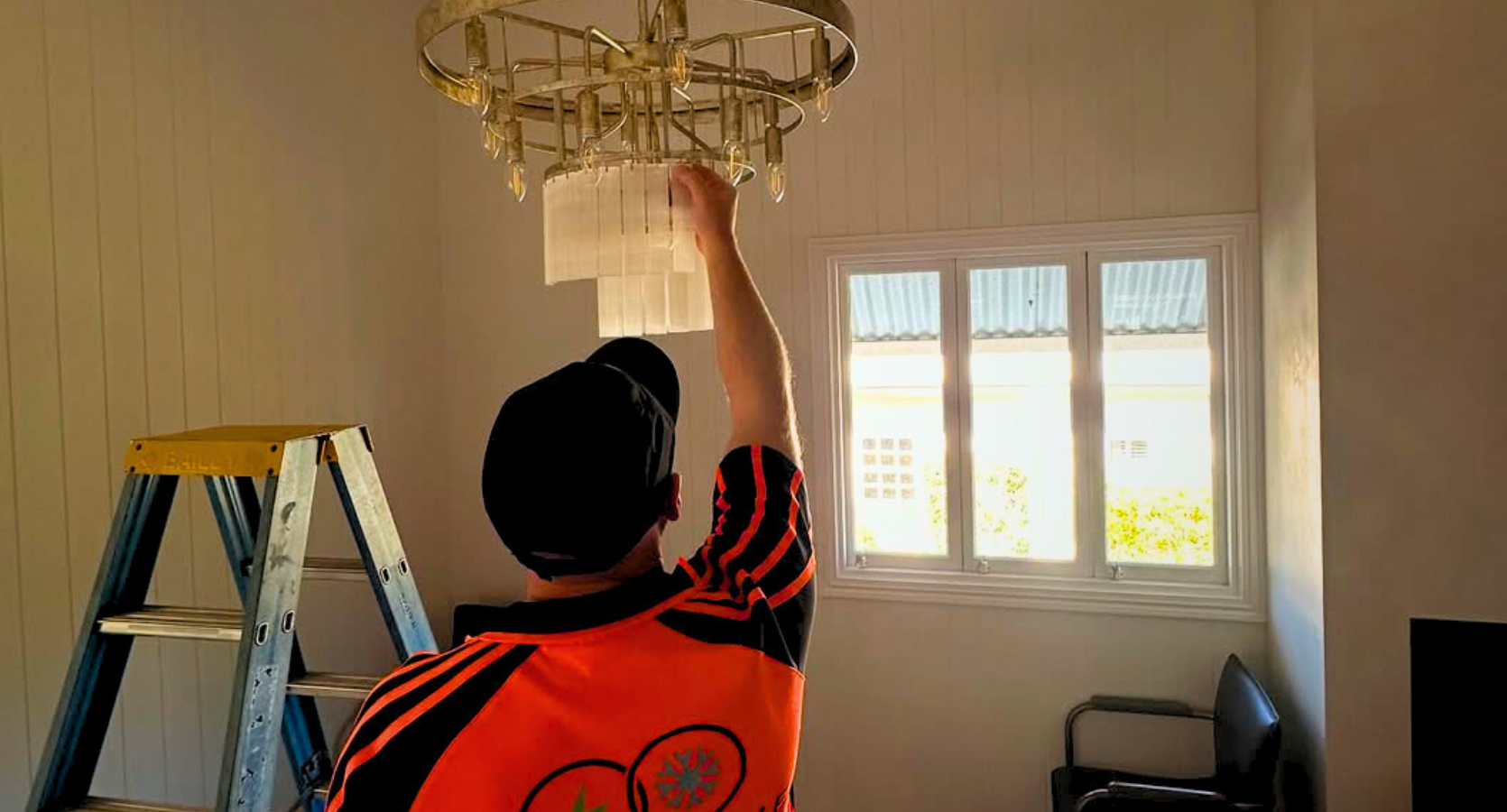
A Brisbane-focused storm-season guide explaining why lights flicker after a storm, the most common causes including loose neutral faults and surge damage, and the warning signs homeowners should never ignore.
If your lights start flickering after a storm, don’t assume it’s nothing.
In Brisbane, storm season regularly causes electrical problems like:
voltage fluctuations
surge damage
moisture faults
loose connections inside switchboards
damaged neutral wiring
And here’s the key point:
Flickering lights aren’t just annoying.
They’re often a warning sign that something has been damaged or loosened, and that can become unsafe if ignored.
This is especially common in Brisbane suburbs with:
older switchboards
older overhead wiring
Queenslander-style homes
storm exposure and high humidity
Let’s break down why it happens, what it means, and when to call a licensed electrician.
Quick Diagnosis Checklist (Before You Assume It’s “Just the Weather”)
Check these signs right away:
Are lights flickering in one room or across the whole house?
Is it worse when appliances turn on (aircon, oven, kettle)?
Are lights dimming or brightening randomly?
Did you notice a loud lightning strike nearby?
Are power points still working normally?
Do you smell burning plastic near the switchboard?
If flickering is happening across multiple rooms, it’s usually not just one light fitting.
1. Loose Neutral Connection (One of the Most Dangerous Causes)
A loose neutral is one of the most serious reasons lights flicker after storms.
During storms, electrical load changes and vibration/surge events can expose weak neutral connections in:
the switchboard
the meter box
street connection points
overhead service lines
When the neutral is loose, voltage becomes unstable.
That can cause lights to:
flicker
dim
surge brighter
behave randomly throughout the home
Why it’s dangerous:
A loose neutral can cause voltage imbalance that damages appliances and creates overheating inside wiring.
Warning signs of a loose neutral:
lights brighten and dim randomly
flickering happens in multiple rooms
appliances behave oddly (fridge, microwave, aircon)
burning smell or buzzing near the switchboard
flickering gets worse when load increases
This should be treated as urgent.
2. Storm Power Surge Damage (Common After Lightning)
Even if you didn’t lose power, storms can cause power surges that damage electrical components.
Surges can affect:
LED drivers
light switches
dimmers
circuit breakers
safety switches (RCDs)
appliance control boards
Signs of surge-related light problems:
lights flicker even when switched off
multiple lights flicker at the same time
LED lights pulse or flash randomly
flickering started immediately after a storm
flickering continues daily after the storm
Surge damage doesn’t always show up instantly, sometimes it appears over the following days.
3. Water Ingress Into Outdoor Lighting or Electrical Connections
Brisbane storms often involve wind-driven rain.
That rain can enter outdoor fittings through:
damaged seals
cracked covers
old junction boxes
worn conduit entries
Once water gets into the circuit, it can cause flickering and leakage faults.
Signs moisture is involved:
flickering is worse after rain
outdoor lights flicker more than indoor lights
flickering improves on dry days
safety switch trips sometimes, not always
Moisture-related flicker often gets worse over time because corrosion builds up.
4. Loose Connection in the Switchboard (Breaker or Neutral Bar)
Storm surges and high demand can expose weak switchboard connections.
Loose terminals can cause:
arcing
unstable voltage
flickering lights
buzzing noises
heat buildup inside the board
Signs:
flickering increases when large appliances run
you hear buzzing near the switchboard
breakers feel warm or hot
flicker affects multiple circuits
This can become a fire risk if left unchecked.
5. LED Lights and Dimmers Reacting to Voltage Fluctuations
Modern LED lights are sensitive to voltage instability.
After a storm, if your voltage is fluctuating, LEDs can:
pulse
flicker
flash
behave inconsistently
This is common in Brisbane homes with:
older dimmers not rated for LED
cheap LED drivers
surge-damaged dimmer switches
Signs:
flickering happens mostly on LED lights
flickering is worse on dimmable fittings
replacing one bulb doesn’t fix it
This can still be a symptom of bigger electrical issues; especially if it starts after a storm.
6. Supply Issues (Street Power Fluctuations After Storms)
Sometimes the issue is outside your home.
After storms, local supply issues can cause:
unstable voltage
flickering across a street
partial outages
inconsistent power delivery
Signs it may be supply-related:
neighbours report the same problem
lights flicker across multiple appliances and rooms
flickering happens even when your switchboard looks normal
flickering occurs randomly throughout the day
Even if it’s supply-related, it can still stress your appliances. So it’s worth checking.
What You Should NOT Do
Avoid these common Brisbane mistakes:
don’t ignore flickering thinking it will “settle down”
don’t keep using appliances if lights are surging brighter than normal
don’t open the switchboard to inspect connections
don’t replace bulbs repeatedly without checking the real cause
Flickering after a storm is often the first sign of something failing.
When It’s a Safety Emergency (Call Immediately)
Stop using power and call a licensed electrician urgently if you notice:
lights brightening and dimming drastically
flickering across the whole house
burning smell near the switchboard
buzzing, crackling, or sizzling sounds
switchboard feels hot
appliances behaving strangely
power cutting in and out
These signs may indicate loose neutral faults or active arcing.
Flickering After a Storm Often Means Loose Neutral or Surge Damage
In Brisbane storm season, lights flickering after a storm is usually caused by:
loose neutral connection
power surge damage
moisture faults in lighting circuits
loose switchboard terminals
unstable supply voltage
The sooner it’s checked, the safer and cheaper it usually is.
👉 Need a licensed electrician in Brisbane to inspect flickering lights after a storm?
Contact Exclusive Electrical & Air to test your switchboard, check for neutral faults, and identify surge-related damage before it becomes a bigger risk.