Why Spring Is the Best Time to Book a Solar Assessment in Brisbane
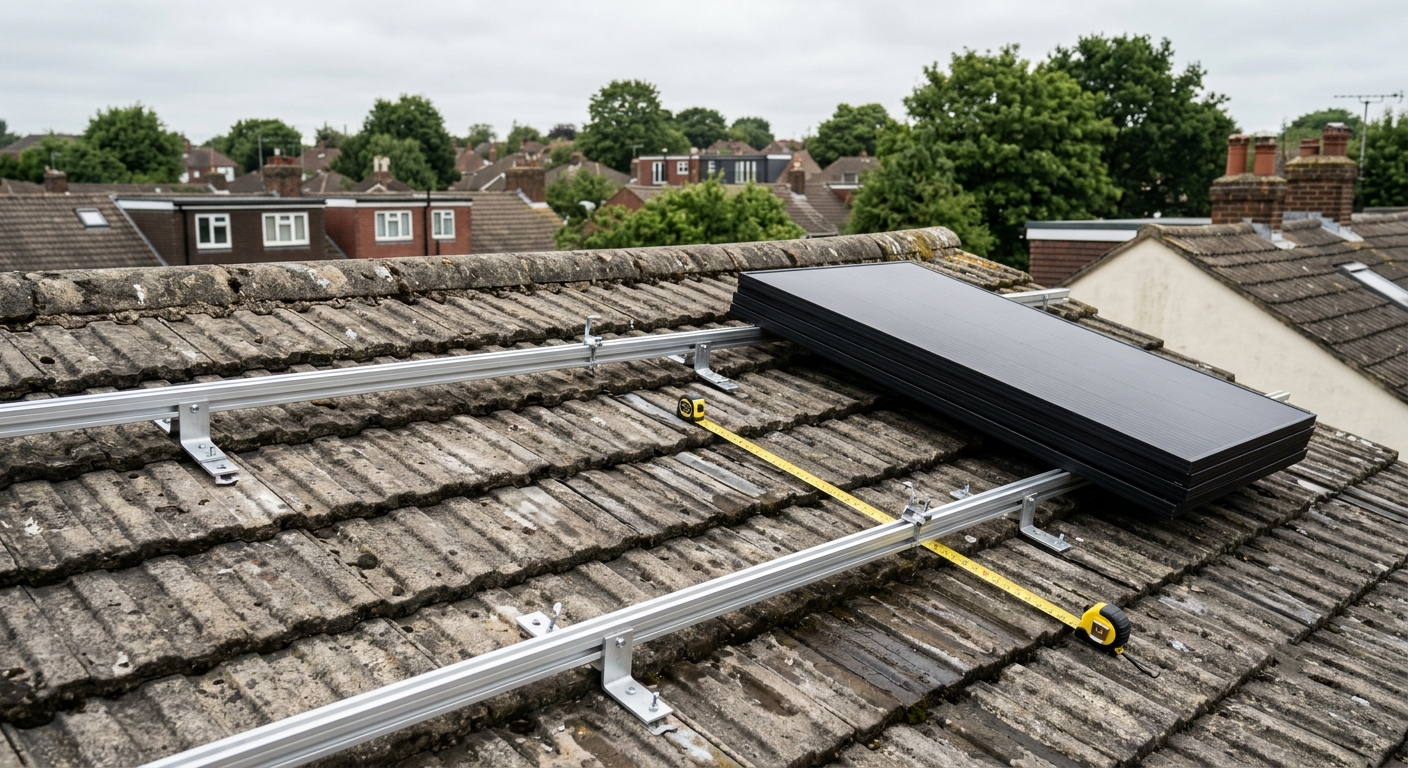
Spring is the ideal window for a Brisbane solar assessment — ahead of summer demand spikes, during the season best suited to accurate shading analysis, and early enough to have panels generating before Brisbane's highest electricity demand months. At $800 to $900 in additional first-year savings from three extra months of peak summer generation, the timing difference is worth acting on. Here's what a thorough spring solar assessment should cover and why booking now beats waiting until January.
Why Spring Is the Best Time to Book a Solar Assessment in Brisbane
Brisbane's relationship with electricity demand follows a predictable pattern. Summer arrives, temperatures climb, air conditioning runs continuously, and power bills that were manageable through winter suddenly look very different. For homeowners who've been thinking about solar, that first summer power bill is often the moment the thinking turns into action.
The problem is that by the time summer power bills land and the urgency kicks in, the Brisbane solar installation industry is at its busiest. Assessment slots are harder to secure, installation lead times stretch, and the homeowners who acted in spring are already generating while those who waited are still in a queue.
Rated 5 stars by Brisbane homeowners on Google, Exclusive Electrical & Air has been completing solar assessments in Brisbane and installations across all Brisbane suburbs for over 10 years, with more than 2,000 Queensland customers served. We're Clean Energy Council accredited, meaning every installation we complete meets the standards required for STC incentive eligibility and valid manufacturer warranties.
Spring in Brisbane — September through November — is the window where the conditions, the availability, and the forward planning all align in the homeowner's favour. Here's why that timing matters and what a spring solar assessment should actually cover.
Why Should I Book a Solar Assessment in Brisbane During Spring?
Spring combines better installer availability before summer demand peaks, more representative shading conditions for accurate performance modelling, and timing that allows installation to be completed before Brisbane's highest-demand summer months. A system commissioned in spring generates through the full summer peak season, maximising first-year output and savings. September and October assessment slots fill weeks before the summer rush.
Why Spring Solar Demand in Brisbane Works in Your Favour
Understanding the rhythm of solar demand in Brisbane helps explain why timing a solar assessment to spring is genuinely advantageous rather than just convenient.
Brisbane's solar panel installation Brisbane demand broadly tracks its temperature curve, with a lag of four to eight weeks. As summer temperatures build through December and January and power bills reflect the cost of running air conditioning continuously, enquiries to solar installers spike sharply. Assessment backlogs grow, installation crews book out weeks in advance, and the homeowners who need solar most urgently are competing with a large volume of other people who've had the same realisation at the same time.
Spring sits ahead of that demand spike. Accredited installers have more availability for thorough site assessments, lead times from assessment to installation are shorter, and the pressure that comes from booking into a crowded market is absent. A homeowner who books a solar assessment in September or October is positioned to have panels on the roof and generating before the first significant summer heat arrives.
We recently completed a solar installation for a family in The Gap who booked their assessment in September. Panels were commissioned by late October, capturing the full November-February peak generation window. A neighbour who called us in January waited four weeks for an assessment slot and another three weeks for installation. By the time they were generating, the first summer was almost over.
The economics reinforce the timing. At $0.32/kWh in avoided grid electricity costs, three additional months of peak summer generation for a standard 6.6kW Brisbane system represents approximately $800 to $900 in additional first-year savings for a household with good daytime consumption. That is a meaningful benefit from a timing difference alone.
STC incentives — the federal rebate that reduces the upfront cost of a solar system — also reduce in value each year as the 2030 scheme end date approaches. A system installed in spring 2026 attracts more STCs than the same system installed in spring 2027. The case for acting now rather than next year runs in both directions.
September and October assessment slots fill weeks before the summer rush. Don't wait until you're competing with the January queue.
📞 0468 813 833 | Book Your Spring Solar Assessment
Free on-site assessment. No obligation to proceed. Clean Energy Council accredited. Licensed Queensland Electrical Contractor.
Why Spring Is the Best Season for a Solar Assessment in Brisbane
Beyond the demand and availability argument, spring is genuinely the better season for a solar assessment in Brisbane from a technical standpoint.
Shading Assessment Accuracy
One of the most consequential parts of a solar site assessment is evaluating shading — identifying what casts shadows across the proposed panel locations, at what times of day, and across what periods of the year.
Spring sits at the transition between winter's lower sun angle and summer's higher path across the sky. An assessment conducted in spring captures conditions that are more representative of the year-round shading profile than an assessment conducted at either extreme. A winter assessment underestimates summer shading from neighbouring structures and vegetation. A summer assessment misses the more pronounced shading that a lower winter sun angle creates.
For Brisbane properties in suburbs like Ashgrove, Bardon, and Paddington with established trees, neighbouring buildings, or roof structures like chimneys, whirlybirds, and air conditioning units near the proposed panel locations, a spring shading assessment provides the most useful picture of how the system will actually perform across a full year.
Vegetation State
Brisbane's established suburbs across the inner and middle ring have significant tree canopy. The shading impact of that canopy varies with the season, and spring's foliage conditions are broadly representative of the year-round state in Brisbane's subtropical climate, where deciduous trees are less common than in cooler climates.
An assessment conducted during a period when trees are representative of their typical state gives the installer the information needed to position panels and size the system with accuracy. Assessment in the brief period after winter deciduous leaf drop but before spring growth returns can underestimate the shading effect of nearby vegetation.
Roof and Structural Assessment Conditions
Spring's moderate temperatures make roof access for inspection more comfortable and practical than mid-summer assessments, where roof surface temperatures in Brisbane can reach extreme levels. An installer conducting a thorough roof inspection in spring can spend the time needed on the assessment without the physical limitations that extreme heat imposes.
What a Brisbane Spring Solar Assessment Should Cover
A solar assessment conducted in spring, done properly, should produce everything needed to make a confident decision and proceed directly to installation.
Roof Suitability and Structural Assessment
The assessment should cover roof condition, roofing material, orientation, pitch, and available unobstructed area. For older Brisbane homes in established inner-western and northside suburbs, structural assessment of the roof framing may identify conditions that need to be addressed before panels are installed. Identifying those conditions at assessment time rather than on installation day avoids delays and budget surprises.
Shading Analysis
A thorough assessment should model shading across different times of day and across different seasons rather than simply assessing current conditions on the day of the visit. Tools that model sun path and shadow projection across a full year give the most accurate picture of how proposed panel locations will perform across Kenmore, Pullenvale, Chapel Hill, and other outer western suburbs where established tree cover is significant.
Where shading from trees or structures is identified as a concern, the assessment should address how the system design responds — whether through panel positioning, microinverter or optimiser technology, or an honest assessment of whether shading makes the proposed location unsuitable.
Switchboard and Electrical Infrastructure Assessment
A solar system connects to the home's electrical infrastructure at the switchboard, and the assessment should confirm whether the existing switchboard can accommodate the connection or whether a switchboard upgrade Brisbane is required as part of the project.
A spring assessment that identifies a switchboard upgrade requirement or meter replacement gives you time to complete that preparatory work and still have panels installed before summer. Discovering those requirements in January gives you no such window.
System Sizing, Design, and Battery Storage
The assessment should produce a system size recommendation based on the home's actual electricity consumption, the available roof area, and the household's goals. Twelve months of electricity consumption data, ideally from interval meter data, gives the installer the information needed to size the system accurately.
Spring is also the right time to decide on solar battery storage Brisbane alongside solar. A system designed for battery addition from the outset is significantly less expensive to modify later than one that requires retrofitting. If battery storage is on your horizon in the next two to three years, raise it at the spring assessment.
Exclusive Electrical & Air is a Clean Energy Council accredited installer, a prerequisite for STC incentive eligibility and valid manufacturer warranties on every solar installation we complete.
Network Connection Requirements
Energex connection requirements for south-east Queensland apply across Brisbane, and the assessment should confirm what those requirements mean for the proposed system. For properties in North Lakes, Springfield, Ripley, and other newer estates with high existing solar penetration, export limiting conditions may apply that affect the financial case for a larger system. For systems above Energex's standard connection threshold, network pre-approval is required before installation proceeds. Starting that process at assessment time avoids delays.
Financial Modelling
A useful solar assessment presents the financial case honestly — what the system is likely to generate, what it will save on power bills, and what the payback period looks like based on your specific consumption profile and current Queensland tariff rates. This modelling should be based on your actual consumption data and Brisbane's specific solar resource. The financial case for solar in Brisbane in 2026 is strong for most households with suitable roof access and adequate daytime consumption.
For Brisbane businesses, the same seasonal logic applies with additional lead time considerations. Commercial installations typically require structural engineering certification, Energex network applications, and installation scheduling around trading hours — all of which take longer to arrange than a standard residential installation. Spring is the right time to start that process for a summer-commissioned commercial system.
Queensland Smoke Alarm Deadline: Address It at Your Spring Assessment
Spring is also a practical time for Brisbane homeowners to address electrical compliance work that's been sitting on the to-do list. Queensland's 1 January 2027 smoke alarm compliance deadline for owner-occupied homes is close enough in spring 2026 to be a current planning consideration rather than a future one.
Booking a smoke alarm compliance Brisbane assessment alongside a solar assessment creates a single site visit that addresses both requirements efficiently. An electrician assessing a property for solar is already on site, already in the ceiling space, and already in a position to assess smoke alarm placement and compliance simultaneously.
Book a combined solar and smoke alarm assessment in a single visit — one call-out, two compliance requirements addressed.
📞 0468 813 833 | Book Your Spring Solar Assessment
Free on-site assessment. No obligation to proceed. Licensed Queensland Electrical Contractor. Clean Energy Council accredited.