How to Know If Your Solar Inverter Is Underperforming (Brisbane Guide)
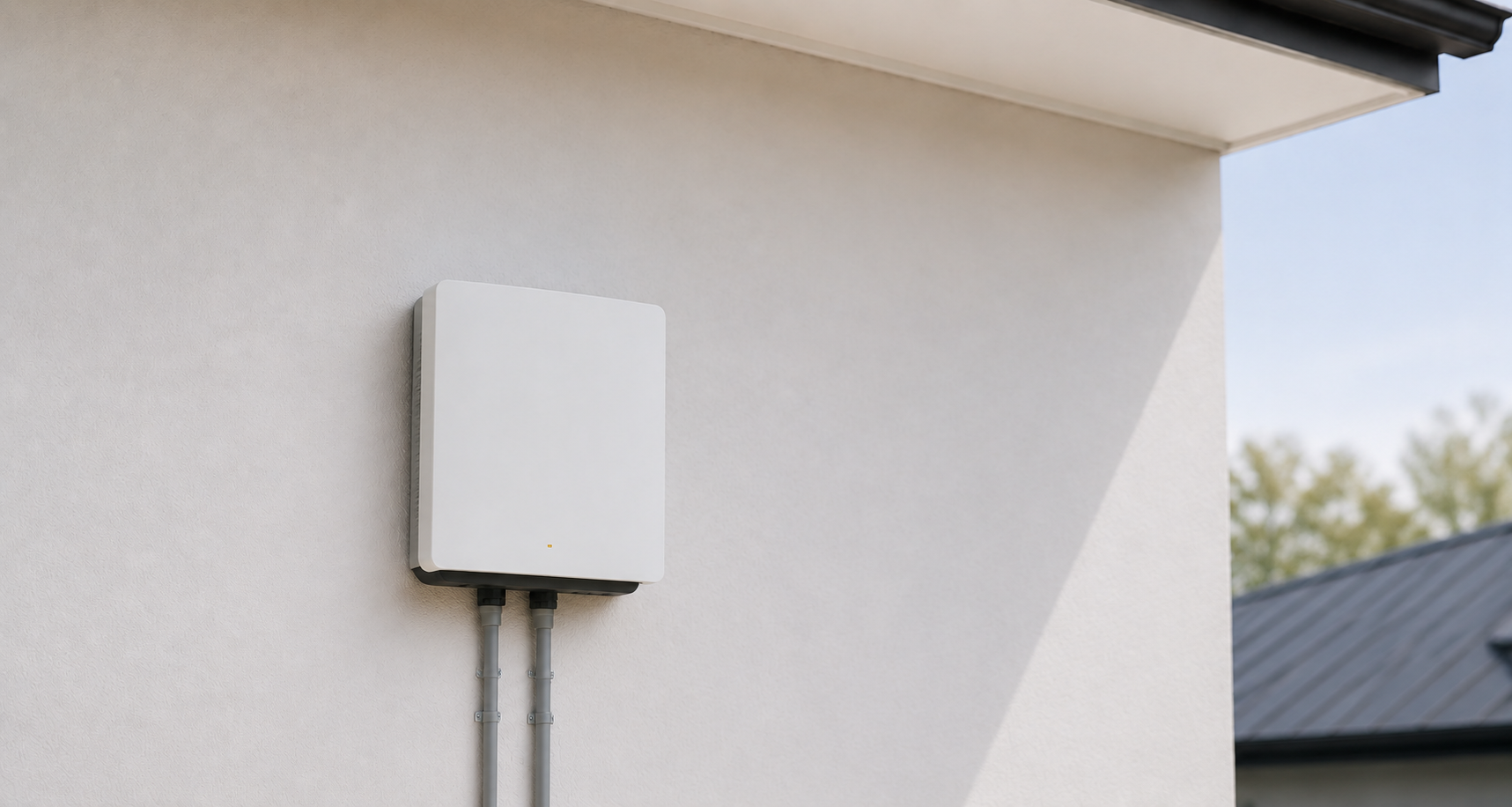
A solar inverter can degrade gradually without triggering an obvious alarm, and many Brisbane homeowners do not realise their system is underperforming until they compare their power bills with a neighbour or check their monitoring data for the first time in months. Here is how to tell whether your inverter is doing its job and what to do if it is not.
How to Know If Your Solar Inverter Is Underperforming (Brisbane Guide)
A solar system that is not generating at its rated capacity costs its owner money every single day. The panels are on the roof, the inverter is on the wall, and everything looks fine from the outside. But the generation figures are quietly lower than they should be, the power bill is higher than expected, and the household has no idea the system has been underdelivering for months. This scenario is more common across Brisbane solar households than most people realise, because solar inverter underperformance is often gradual and rarely dramatic.
Unlike a system that stops working entirely, a degraded or partially faulty inverter continues to generate electricity. It just does not generate as much as it should, and without a reference point for comparison, that shortfall goes undetected. The result is a system that is nominally operational but delivering a fraction of the value the homeowner invested in it. A common version of this: a household in a suburb like Hamilton notices their bills creeping up gradually over the better part of a year, assumes it's just electricity prices rising, and only discovers during a routine shading assessment that a tree grown out near the array has been quietly cutting generation the whole time. Nothing looked broken. Nothing failed dramatically. It just slowly delivered less.
Exclusive Electrical & Air is a Clean Energy Council accredited solar installer that has been working with Brisbane homeowners for over a decade, with more than 2,000 residential and commercial customers served across suburbs including Kenmore, Toowong, Hamilton, Chermside, and Aspley. Rated 5 stars on Google. Solar system inspections and inverter assessments are a regular part of the team's work. 📞 0468 813 833.
What a Correctly Performing Solar Inverter Should Be Doing
Before looking at the signs of underperformance, it is useful to establish what normal looks like. A grid-connected solar inverter converts the direct current produced by your solar panels into the alternating current your home uses and the grid accepts. Its output at any given moment depends on the available solar irradiance, the panel array size, the inverter's rated capacity, and ambient temperature.
For a correctly functioning 6.6 kilowatt solar system in Brisbane, daily generation on a clear summer day should sit roughly in the range of 25 to 30 kilowatt-hours. On a typical winter day with good sun, that figure is closer to 18 to 22 kilowatt-hours. These are approximate figures that vary with roof orientation, shading, and system specifics, but they provide a working reference point for whether a system is broadly in the expected range. See the Clean Energy Council.
Most modern inverters also provide real-time and historical generation data either via a front-panel display or a web-connected monitoring platform. That data is the most direct tool available to a homeowner for assessing whether the system is performing as expected, and it is the first place to look when something seems off.
Signs Your Solar Inverter May Be Underperforming
Higher than expected power bills are the most common indicator that brings Brisbane homeowners to the conclusion that something is wrong with their solar system. If your power bills have been climbing despite no significant change in household usage patterns, and your solar system appears to be running normally, the generation output deserves a closer look. A system producing less than expected imports more grid electricity to compensate, and that shows directly on your bill.
Generation figures that have dropped year on year are a more specific signal. If your monitoring data shows your system generated significantly less over the past twelve months than in the year prior, accounting for any differences in weather, that decline is not normal degradation. Solar panels do degrade gradually over time, with quality panels typically losing less than one percent of output per year. A meaningful year-on-year drop is a sign that something other than normal aging is occurring.
Fault codes on the inverter display are the most direct indicator of a problem. Modern inverters display fault codes when they detect an issue with the grid connection, the panel input, internal components, or communication systems. Common fault codes relate to grid voltage or frequency being outside acceptable parameters, isolation faults in the DC wiring, or internal temperature warnings triggered by inadequate ventilation. If your inverter display is showing a fault code rather than a generation figure, that code should be investigated by a licensed electrician rather than simply reset and ignored.
Generation that stops at unusual times is another signal worth noting. A correctly functioning inverter generates across the full daylight window on clear days, starting shortly after sunrise and continuing until late afternoon. If your monitoring data shows generation dropping to zero during hours when sunlight is available, the inverter is either shutting down due to a fault or the system has a DC isolation issue affecting the panel input.
Inverter display showing zero output on a clear day is the most obvious performance failure and the one most homeowners notice. If the inverter display shows no generation during daylight hours and the grid has not been disrupted, a fault has occurred and the system needs to be assessed.
Common Causes of Solar Inverter Underperformance in Brisbane
Shading from vegetation growth is one of the most frequent causes of gradual generation decline in Brisbane's established suburban areas. Trees and shrubs that were clear of the panel array at the time of installation grow over time, and even partial shading of a single panel can have a disproportionate effect on overall system output due to the way series-connected panel strings behave under shading conditions. A shading assessment as part of a system inspection identifies whether vegetation management is the primary cause.
Surge damage from Brisbane storm events is a significant cause of inverter underperformance and partial failure. Lightning-induced voltage surges can damage inverter electronics without causing an immediate complete failure. A surge-affected inverter may continue to operate but with reduced output capacity, increased fault frequency, or degraded DC conversion efficiency. Homes without switchboard surge protection are particularly exposed to this failure mode.
Inverter age and component degradation is a factor for systems that have been in service for a number of years. Electrolytic capacitors within the inverter enclosure degrade over time, and as they do, the inverter's conversion efficiency declines. This is a gradual process that does not produce obvious fault codes in the early stages but results in measurable generation loss over time. Inverter manufacturers typically specify a service life of ten to fifteen years, and systems approaching or exceeding that range warrant a professional assessment.
Faulty or degraded DC isolators are a specific failure point affecting solar inverter input from the panel array. The DC isolator is a switching device installed between the panels and the inverter that allows the DC circuit to be safely isolated for maintenance or in an emergency. Isolators that have degraded, overheated, or developed internal faults can create resistance in the DC circuit that reduces the power available to the inverter. DC isolator failure is a known issue across Australian solar installations and is one of the items specifically checked during a professional solar system inspection.
Panel micro-cracking from hail or physical stress reduces the output of affected panels without always producing visible damage. Micro-cracked panels continue to generate but at reduced output, and the cumulative effect across multiple affected panels can produce a meaningful decline in system generation.
Recognise one of these patterns in your own system? A professional assessment identifies the actual cause rather than leaving it to guesswork. 📞 0468 813 833 | Book Your solar performance assessment.
How to Check Your System's Performance Yourself
Before calling an electrician, there are several checks a Brisbane homeowner can carry out independently to build a picture of what is happening.
Check the inverter display or monitoring app and compare the current generation figure against what would be expected for the time of day and weather conditions. Most inverter manufacturers provide online tools or app comparisons that show expected versus actual output for your system size and location.
Review your historical generation data and compare the current period against the same period in prior years. A consistent year-on-year decline beyond the normal degradation rate of around one percent per year warrants a professional assessment.
Check your power bill data and compare your grid import figures against previous periods with similar household usage. A meaningful increase in grid imports without a corresponding lifestyle or appliance change suggests the solar system is compensating less than it should.
Look at the inverter display for fault codes and note any codes displayed. Your inverter's manual or the manufacturer's website will identify what each code indicates. Share that information with the electrician when you book the assessment.
When to Call a Licensed Electrician
Any fault code that cannot be resolved by a simple system restart, a generation decline that cannot be explained by shading or weather, an inverter that is not generating during daylight hours, or a system that has not been professionally assessed for several years are all reasons to arrange a solar system inspection with a licensed electrician and accredited solar installer.
Working on or within a solar inverter enclosure, accessing rooftop panels, or testing DC circuit components requires appropriate qualifications and safety equipment. This work is regulated under the Electrical Safety Act 2002 QLD and the Electrical Safety Regulation 2013 QLD.
FAQ
Q: How much generation loss is normal for a solar system over time?
A: Quality solar panels degrade at approximately 0.5 to 1 percent per year under normal operating conditions. A ten-year-old system might reasonably produce around five to ten percent less than it did when new. A decline significantly larger than that, or one that occurred rapidly rather than gradually, indicates a fault rather than normal aging.
Q: Can I reset my inverter myself if it is showing a fault code?
A: A single reset following a grid disturbance or transient fault is a reasonable first step and often resolves the issue. If the fault code returns after a reset, or if the inverter continues to show reduced output after restarting, a professional assessment is required. Repeatedly resetting an inverter with a persistent fault does not resolve the underlying problem.
Q: My inverter monitoring shows normal output but my power bill is still high. What is going on?
A: If the inverter's own monitoring reports normal generation but bills remain elevated, the issue may be with the accuracy of the inverter's internal metering, a separate appliance fault driving unusually high household consumption, or a metering discrepancy at the grid connection point. A licensed electrician can assess both the solar system and the broader electrical installation to identify the cause.
Q: How long does a solar inverter typically last in Brisbane's climate?
A: Most quality residential inverters have a manufacturer-specified service life of ten to fifteen years. Brisbane's climate, with its combination of high ambient temperatures and storm season surge exposure, can influence inverter lifespan. Regular monitoring and periodic professional assessments help identify degradation before it results in complete failure.
Q: Is it worth repairing an underperforming inverter or replacing it?
A: This depends on the inverter's age, the nature of the fault, and the cost of repair versus replacement. For inverters approaching or beyond ten years of service, replacement is often more cost-effective than repair and provides the opportunity to upgrade to a unit with improved efficiency and monitoring capability. A licensed electrician can assess the specific situation and provide a recommendation.
Still not sure whether repair or replacement makes more sense for your system? That's exactly what an assessment settles, with a straight answer either way. 📞 0468 813 833 | Book Your solar performance assessment.
A solar system that looks operational but is quietly underdelivering is costing its owner money every day the problem goes unidentified. If your Brisbane solar system's generation figures do not stack up against what they should be, or you have not had the system professionally assessed in several years, an inspection is the most direct way to find out where things stand.
Exclusive Electrical & Air is a Clean Energy Council accredited solar installer and licensed electrician team serving all Brisbane suburbs, from Kenmore and Indooroopilly in the west to Chermside, Hamilton, and Aspley in the north. All solar assessments and inverter inspections are carried out by licensed electricians and backed by a workmanship warranty. Rated 5 stars on Google. 10+ years experience. 2,000+ Brisbane customers. Licensed Queensland Electrical Contractor.