Why Spring Is the Best Time to Book a Solar Assessment in Brisbane
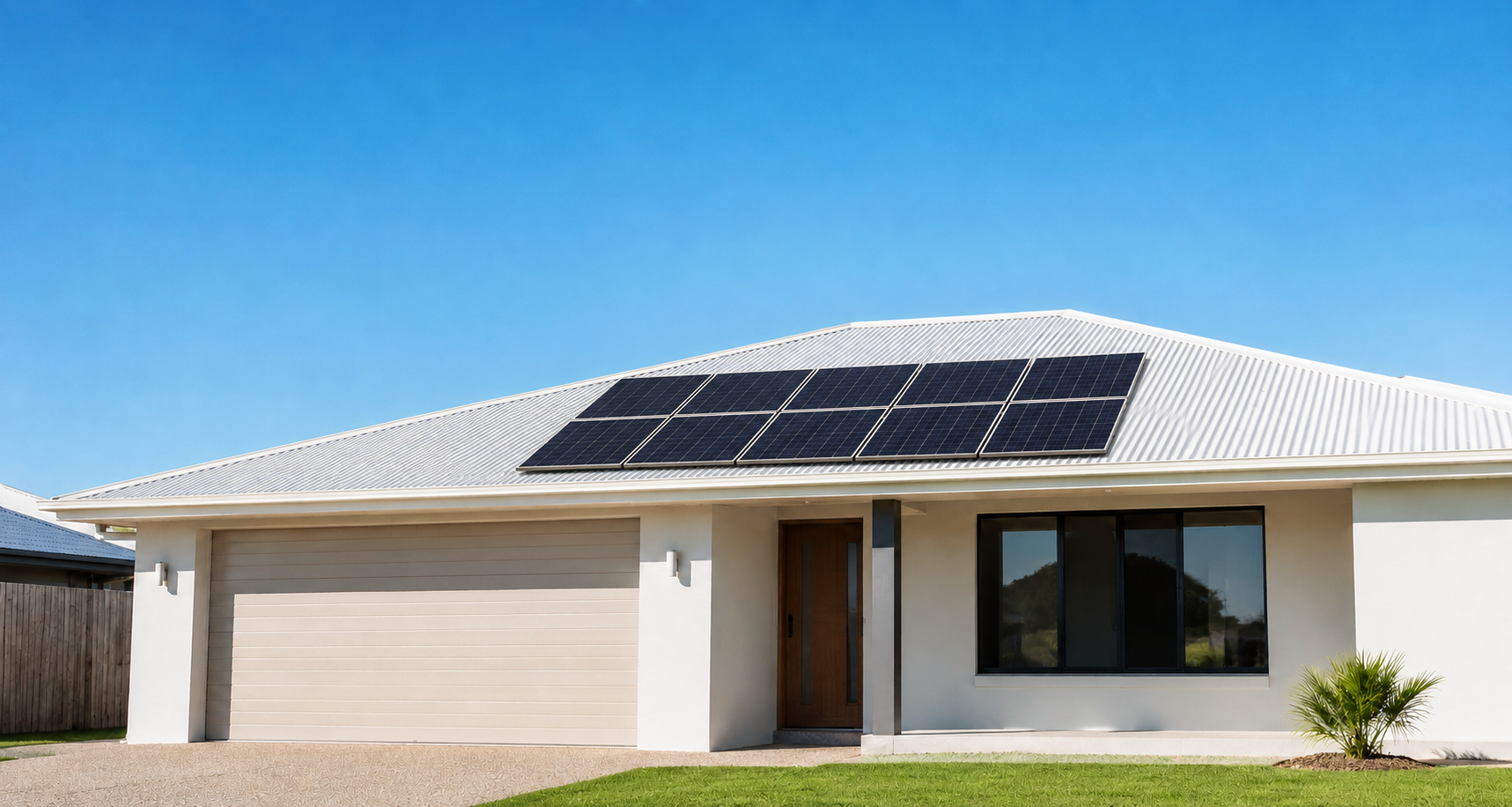
Most Brisbane homeowners think about solar when their summer power bill lands. By that point, every other household in the suburb has had the same idea simultaneously and installation lead times have blown out. Spring is when the window is open, the conditions are right, and the decision can be made without pressure.
Why Spring Is the Best Time to Book a Solar Assessment in Brisbane
There is a predictable pattern to solar installation enquiries in Brisbane. Demand is relatively quiet through the cooler months, then summer arrives, power bills climb sharply as air conditioning runs at full capacity, and suddenly every household in the suburb is enquiring about solar at the same time. Installation lead times extend. Accredited installers get booked out weeks ahead.
Spring is the opportunity to sidestep that entirely. Booking a solar assessment between September and November puts installation ahead of the summer demand spike, maximises the amount of high-generation summer sun your new system captures in its first year, and means the decision is made with time to consider options properly rather than under the pressure of a bill that arrived last Tuesday.
A pattern that plays out most years: one household books a spring assessment and is generating power well before the first heatwave, while a comparable household down the street waits until the February bill lands, joins the queue everyone else just joined, and doesn't get installed until well into the following autumn, missing most of the high-generation window entirely. Same system, same suburb, very different first-year outcome, purely down to timing.
Exclusive Electrical & Air is a Clean Energy Council accredited solar installer that has been assessing and installing residential and commercial solar systems across Brisbane for over a decade, working with more than 2,000 customers in suburbs from Kenmore and Indooroopilly in the west to Chermside, Aspley, and Hamilton in the north. Rated 5 stars on Google. 📞 0468 813 833.
Why Summer Is Too Late to Start the Conversation
The economics of solar are directly tied to generation volume, and generation volume is directly tied to the time of year. Brisbane's solar exposure follows the typical pattern for this latitude, highest through the November to February period when longer days, higher sun angles, and generally clear weather combine to produce the strongest daily generation figures of the year. See the Bureau of Meteorology average solar exposure maps. A system installed and operational before that window opens captures all of it. A system installed in February captures only the tail end.
Beyond generation, summer in Brisbane is when the financial case for solar is most immediately visible. Air conditioning running for extended periods drives household electricity consumption to its annual peak, and the offset value of solar generation against that consumption is at its highest. A system operational before the heat arrives is working for you during the months when it matters most to your bill. See the Queensland Competition Authority electricity tariffs.
The Installer Availability Factor
Solar installation demand in Brisbane follows electricity bill cycles closely. When summer bills arrive, enquiries spike, and accredited installers become heavily booked. This is a consistent seasonal pattern that repeats each year across South East Queensland.
A spring assessment and installation booking positions you well ahead of that demand curve. The assessment is thorough and unhurried, the system design is considered rather than rushed, and the installation is scheduled at a time that suits your household rather than whatever gap appears in a packed January calendar.
For Brisbane homeowners also considering a battery storage system, an EV charger, or a switchboard upgrade alongside the solar installation, the spring window matters even more. Jobs involving multiple components require more planning and scheduling coordination, and that's considerably easier when the installer has capacity to spare.
Want to get ahead of the summer queue rather than join it? A spring assessment locks in your spot while there's still room on the calendar. 📞 0468 813 833 | Book Your spring solar assessment.
What a Solar Assessment Actually Covers
A solar assessment turns a general interest in solar into an accurate, property-specific recommendation. It is not a sales visit with a predetermined system size. A thorough assessment from a Clean Energy Council accredited installer covers the following.
Roof orientation and shading analysis determines which roof planes are suitable for panel placement and what shading impact, from trees, neighbouring structures, or rooftop features, affects generation potential. North-facing roof space is the primary consideration in Brisbane, but east and west-facing installations can be highly productive depending on the property and the household's usage profile.
Electricity consumption analysis reviews your household's usage patterns using recent bill data to determine what system size is appropriate. A system significantly undersized for actual consumption leaves generation capacity on the table. A system oversized beyond what the household can consume or store produces surplus export that earns a feed-in credit but delivers diminishing returns per dollar invested. The right system size is specific to your household, not a round number from a standard package. See the Clean Energy Council accredited installers directory.
Switchboard assessment is part of every solar installation process. A grid-connected solar system is notifiable electrical work under the Electrical Safety Regulation 2013 QLD, and the inverter and generation circuits must be correctly integrated into the switchboard. If the existing board requires upgrading to accommodate the installation, that work is identified and scoped as part of the assessment rather than discovered on installation day.
Battery storage suitability is assessed for households considering adding storage alongside the solar system. Battery storage changes the system design, inverter selection, and electrical configuration, and building it into the initial design is considerably more efficient than retrofitting it later.
Roof and structural condition is checked to confirm the installation surface is suitable. A roof that will need repairs or replacement in the near future should be addressed before panels are mounted on it.
Brisbane-Specific Considerations for Spring Assessments
Spring in Brisbane sits in the transition between the drier, cooler winter months and the storm season that builds through October and November. This has a couple of practical implications.
Roof condition is more easily assessed, and any preparation work completed, before storm season introduces the risk of storm damage or wet weather delays. Getting the assessment done in September or early October means installation can proceed through October and November without weather-related scheduling complications.
Storm season also raises the question of surge protection for solar inverters. A solar inverter is among the most expensive single components in a residential electrical system, and its connection to roof-mounted panels means exposure to lightning-induced surges is a genuine risk during Brisbane's storm months. Whole-home surge protection is worth discussing during the solar assessment if it isn't already installed, particularly for homeowners in elevated or exposed suburbs such as The Gap, Kenmore, and Toowong, where storm exposure tends to be higher.
Not sure if your inverter needs surge protection or just want it checked while you're already booking the assessment? It's worth raising in the same visit rather than a separate call-out. 📞 0468 813 833 | Book Your spring solar assessment.
FAQ
Q: How long does a solar assessment take for a Brisbane home?
A: A thorough residential solar assessment typically takes between 45 minutes and an hour and a half on-site, depending on roof complexity and the range of options being considered. The assessor reviews roof orientation, shading, consumption data, and switchboard condition during the visit and follows up with a written system recommendation and quote.
Q: Does a solar assessment commit me to anything?
A: No. A solar assessment results in a property-specific system recommendation and quote. Proceeding with installation is a separate decision made at your discretion after reviewing the proposal.
Q: How do I know if my roof is suitable for solar panels?
A: Most Brisbane homes with a reasonable north, east, or west-facing roof plane have suitable installation surfaces. The assessment confirms orientation, usable area, shading impacts, and structural condition. Roofs with significant shading from large trees or neighbouring buildings may have reduced generation potential, but this is quantified during the assessment rather than assumed.
Q: Can I add battery storage after solar is already installed?
A: Battery storage can be added to an existing solar system, but compatibility depends on the inverter already installed. Some inverters are battery-ready and support storage additions straightforwardly. Others require a hybrid inverter replacement to support battery integration. The assessment will flag whether your existing or proposed system is battery-ready if storage is a future consideration.
Q: What happens if my switchboard needs upgrading before solar can be installed?
A: The switchboard upgrade is scoped as part of the installation job, quoted accordingly, and completed by a licensed electrician ahead of or alongside the solar installation. Combining both pieces of work in a coordinated job is more efficient than managing them separately. The Certificate of Testing and Compliance covers the full scope of notifiable electrical work completed.
Brisbane's summer generation window opens earlier than most homeowners expect, and the installation backlog that builds once summer electricity bills arrive is equally predictable. Spring is when the assessment is unhurried, the installer has availability, and the system can be operational before the heat and the demand arrive together.
Exclusive Electrical & Air is a Clean Energy Council accredited solar installer carrying out residential and commercial solar assessments and installations across all Brisbane suburbs, from Kenmore and Toowong in the west to Hamilton, Chermside, and Aspley in the north. All installations are carried out by licensed electricians, fully certified upon completion, and backed by a workmanship warranty. Rated 5 stars on Google. 10+ years experience. 2,000+ Brisbane customers. Licensed Queensland Electrical Contractor.
Call 0468 813 833 (international: +61 468 813 833) or book online at https://www.exclusiveqld.com.au/connect to arrange your spring solar assessment before the summer rush begins.