The Ultimate Guide to Air Conditioning in Brisbane (2025 Edition): Stay Cool, Save Money, and Choose the Right System
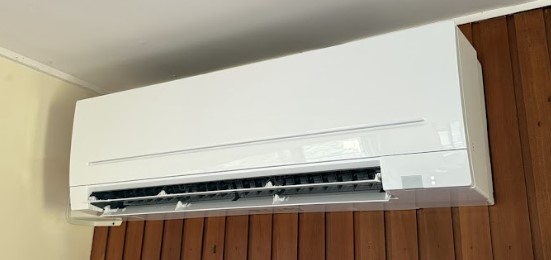
Stay cool and save money with our 2025 Air Conditioning Guide for Brisbane homeowners and businesses. Learn how to choose the right system, improve energy efficiency, avoid costly mistakes, and keep your unit running at peak performance. From split systems to ducted air conditioning, Exclusive Electrical Air delivers expert installation, servicing, and long-term support.
1. Why Air Conditioning is Essential in Brisbane
Brisbane summers are hot, humid, and unforgiving — with temperatures often soaring above 30°C. For homeowners and businesses, air conditioning is no longer a luxury, it’s a necessity. But with so many options available, how do you choose the right system for your needs? In this guide, we’ll walk you through everything you need to know — from selecting the best system to maintaining it for peak performance.
2. Understanding Brisbane’s Climate & Cooling Needs
Brisbane’s subtropical climate means:
Hot, humid summers (Dec–Feb)
Mild winters (Jun–Aug)
High energy demand during peak heat periods
This climate calls for energy-efficient, humidity-controlling air conditioning systems.
3. Types of Air Conditioning Systems
Split System Air Conditioners
Ideal for single rooms or open-plan areas
Cost-effective and easy to install
Great for renters or smaller homes
Ducted Air Conditioning
Cools the entire home
Discreet design with vents in ceilings
Higher upfront cost but better for large families
Multi-Split Systems
Multiple indoor units connected to one outdoor unit
Flexible for multiple rooms with different temperature needs
4. How to Choose the Right Size
If your unit is too small, it won’t cool efficiently. Too large, and you’ll waste energy.
Rule of Thumb:
Small bedroom: 2.5–3.5 kW
Medium living area: 5–7 kW
Large open space: 7–9 kW
For a precise calculation, contact Exclusive Electrical Air for a free consultation.
5. Energy Efficiency Tips
Look for units with a high star rating
Consider inverter technology for smoother temperature control
Install ceiling insulation to reduce cooling load
Use zoning in ducted systems to cool only where needed
6. Installation Process
Step 1: Site Inspection
We assess your property, layout, and cooling requirements.
Step 2: System Selection
We recommend the most efficient system for your needs and budget.
Step 3: Professional Installation
Our licensed electricians handle the full installation, ensuring compliance with Australian standards.
Step 4: Testing & Demonstration
We test the system, show you how to use it, and provide ongoing support.
7. Common Mistakes to Avoid
Installing the wrong size unit
Poor placement of indoor/outdoor units
Ignoring regular maintenance
Skipping professional installation
8. Maintenance for Long-Term Performance
Clean filters every 3 months
Have a professional service annually
Check outdoor units for debris or obstructions
Monitor energy usage for sudden increases