What a Burning Plastic Smell Means, And Why It’s an Emergency
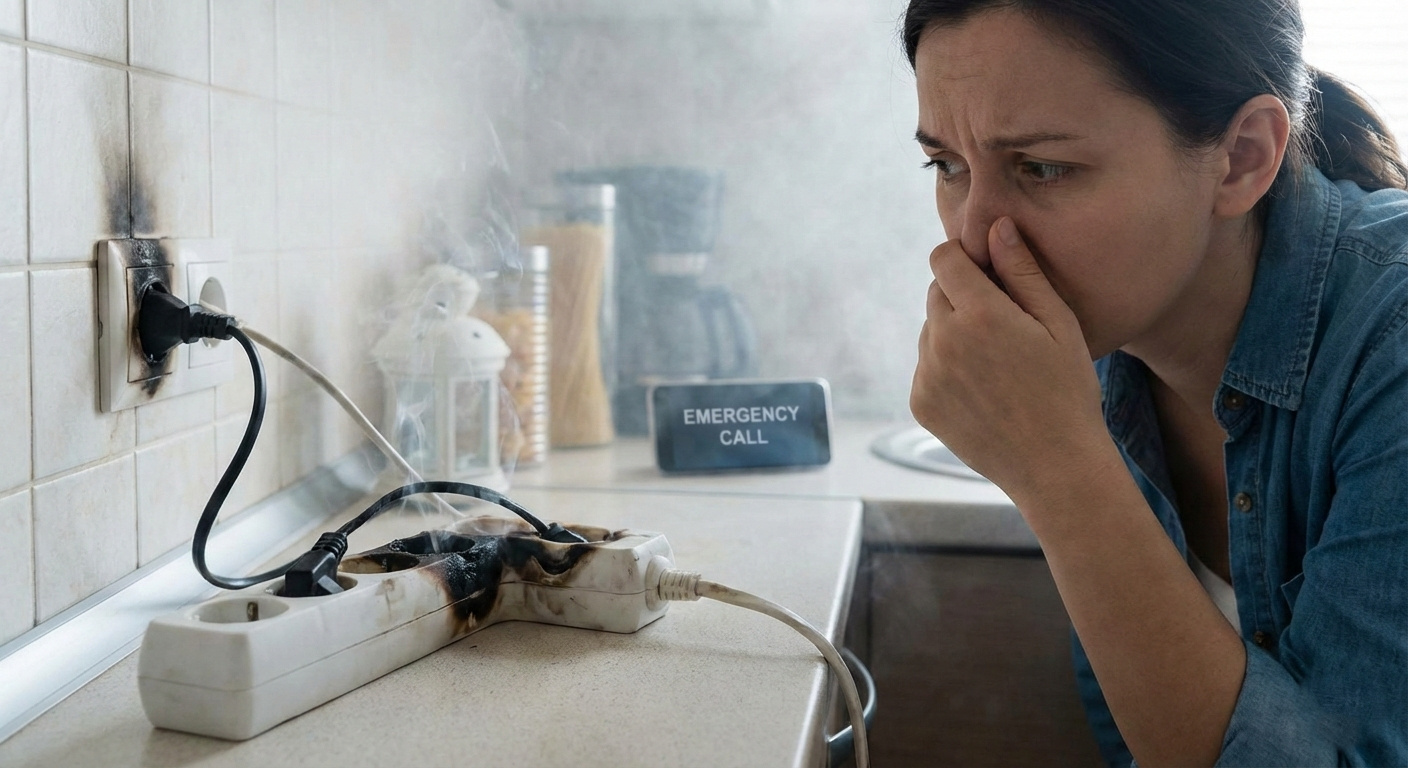
A clear, safety-focused guide explaining what a burning plastic smell means, the most common electrical causes, and why it should always be treated as an emergency.
Smelling Burning Plastic Is Never Normal
If you smell burning plastic in your home, it is not something to ignore, wait out, or “check later.”
That smell is one of the most serious early warning signs of an active electrical fault.
In many cases, the smell appears before flames, smoke, or power failure.
By the time visible damage occurs, the situation may already be dangerous.
This guide explains what that smell usually means and why it requires immediate attention.
What Causes a Burning Plastic Smell in a Home?
That smell usually comes from electrical insulation or plastic components overheating or melting.
Common sources include:
Overheating wiring inside walls or ceilings
Melted insulation around electrical cables
Faulty power points or switches
Loose electrical connections creating heat
Overloaded circuits
Damaged extension leads or power boards
Failing appliances drawing excessive current
Overheating components inside a switchboard
Plastic insulation is designed to handle normal operating temperatures.
When it starts to burn or melt, it means something is operating outside safe limits.
Why This Smell Is a Fire Risk
Electrical fires rarely start with flames.
They usually start with heat buildup and insulation failure.
Here’s what typically happens:
A connection becomes loose or overloaded
Resistance increases
Heat builds up silently
Insulation begins to melt
Smouldering starts behind walls or inside enclosures
Fire ignites suddenly, often without warning
Many house fires begin inside walls, switchboards, or roof spaces, long before smoke alarms detect anything.
Common Places the Smell May Come From
If you notice a burning plastic smell, it often originates from:
Power points or light switches
Switchboards or meter panels
Ceiling spaces near downlights
Behind appliances such as ovens, dryers, or air conditioners
Power boards or extension cords
Wall-mounted air conditioning units
Outdoor power points exposed to moisture
Even if the smell seems faint or intermittent, it should still be treated seriously.
Why You Should Never Ignore It
Ignoring a burning plastic smell can lead to:
Electrical fires
Damage to wiring throughout the home
Appliance destruction
Power outages
Shock or electrocution risks
Insurance complications after a fire
Electrical faults often worsen quickly once overheating starts.
What smells like “nothing major” can escalate in minutes.
What You Should NOT Do
If you smell burning plastic:
Do not keep resetting tripped breakers
Do not continue using appliances in the area
Do not cover the smell with air fresheners
Do not assume it’s coming from outside
Do not attempt DIY electrical repairs
If safe to do so, turning off power at the main switch can reduce risk until the issue is properly checked.
Why the Smell Sometimes Comes and Goes
Many homeowners delay action because the smell disappears.
This often happens because:
The load reduces temporarily
A device cycles off
A connection cools slightly
Power demand drops overnight
This does not mean the issue is resolved.
It usually means the fault is intermittent, which can be even more dangerous.
Final Word: A Burning Plastic Smell Is an Electrical Emergency
A burning plastic smell is one of the most serious warning signs your electrical system can give.
It indicates overheating, insulation failure, or an active fault that can escalate quickly into an electrical fire or severe damage.
Electrical faults rarely give second chances.
By the time smoke or flames appear, the situation is already dangerous.
If you ever smell burning plastic in your home, treat it as urgent, reduce electrical use if it’s safe to do so, and have the issue properly assessed as soon as possible.
Your safety depends on acting early, not waiting to see what happens.