What Brisbane Homeowners Must Do Before 2027
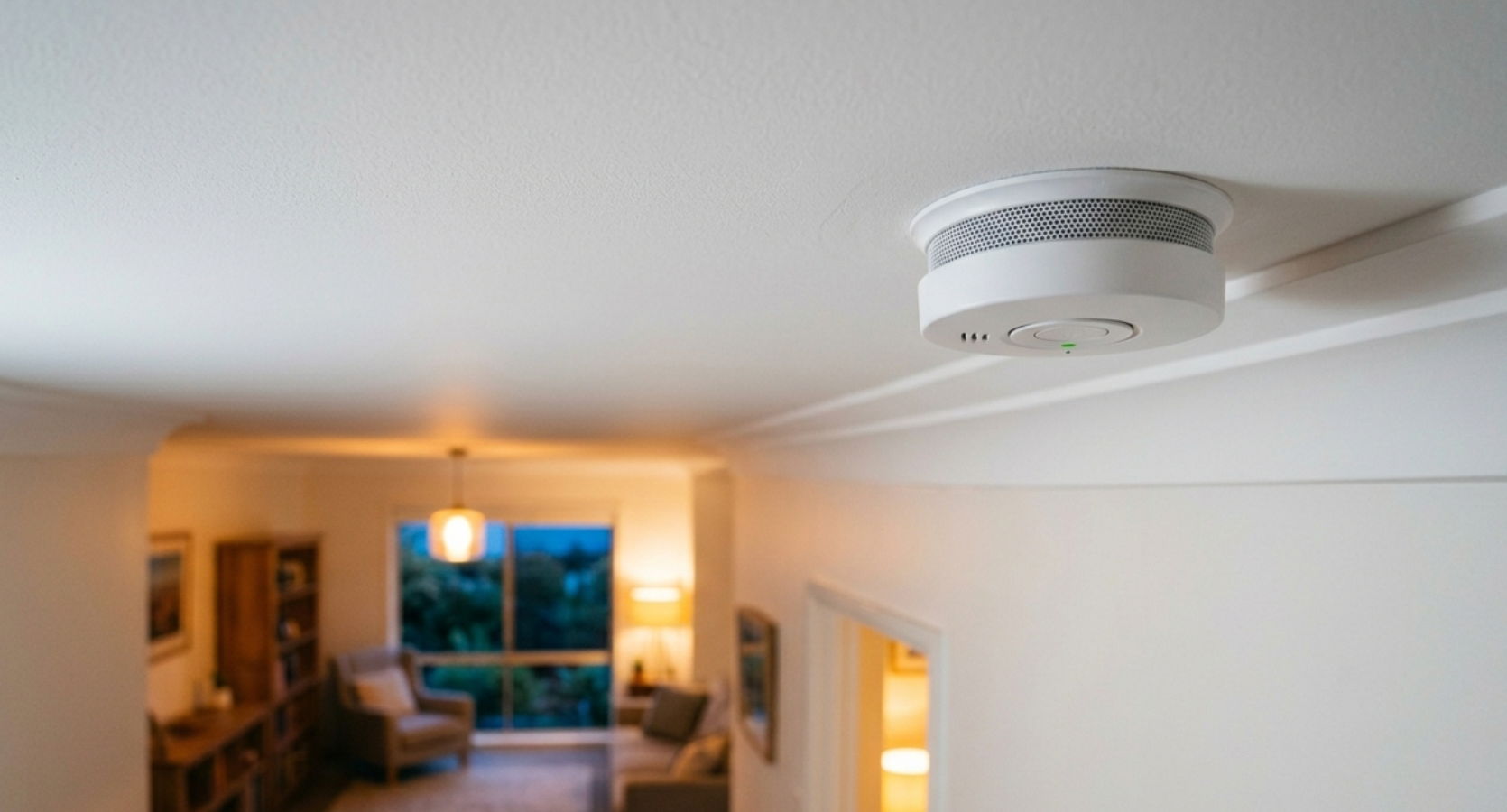
Queensland's 2027 smoke alarm deadline applies to every owner-occupied home in the state — including yours. If you're a Brisbane homeowner still running old ionisation alarms, here's exactly what the law requires, what you need to install, and why sorting it now beats scrambling later.
QLD Smoke Alarm Laws Explained: What Brisbane Homeowners Must Do Before 2027
If you own and live in your Brisbane home, you've got a deadline coming, and it's not as far away as it feels.
1 January 2027. That's when Queensland's final stage of smoke alarm compliance kicks in for owner-occupied homes. Every residential property in the state will need to meet the new standards, no exceptions.
The good news? You've still got time to get it sorted properly. The not-so-good news? Every Brisbane sparky in the city is going to be slammed as that deadline approaches and rushed jobs and last-minute bookings rarely go smoothly.
Here's everything you need to know, right now, while you still have breathing room.
Why Queensland Rewrote the Rules
The smoke alarms in most older Brisbane homes were never really fit for purpose.
The traditional ionisation-style alarms; cheap, battery-operated, beeping relentlessly every time you make toast, are slow to detect smouldering fires. That's the type of fire that typically starts while a household is asleep. By the time the alarm sounds, the situation can already be critical.
Photoelectric alarms detect smouldering fires significantly faster. Queensland Fire and Emergency Services (QFES) backed the research, and the state government acted on it introducing a staged overhaul of the Fire and Emergency Services Act 1990 (Qld) that's been rolling out since 2017.
The 2027 deadline is the final stage of that rollout, targeting all remaining owner-occupied homes that haven't yet been required to upgrade.
The Staged Rollout: Where Does Your Home Fit?
Queensland didn't flip the switch on everyone at once. The compliance deadlines were staggered by property type:
New builds and substantially renovated homes: 1 January 2017 Homes built or substantially renovated after this date should already be compliant. Builders and certifiers were required to install interconnected photoelectric alarms from the start.
Properties being sold or leased: 1 January 2022 Any home sold or made available for rent since this date must have compliant alarms in place before contracts are signed or a tenancy begins. If you're a landlord in Brisbane, this one already applies to you.
All owner-occupied homes: 1 January 2027 This is the stage most Brisbane homeowners are waiting on. If you own the home you live in and haven't sold or renovated recently, 2027 is your deadline.
What You Actually Need to Install
Compliance isn't just about having some smoke alarm on the ceiling. Queensland law is specific about type, placement, and how the alarms are connected to each other.
Type: Photoelectric only Ionisation alarms don't meet QLD requirements. If that's what you currently have, and in older Brisbane homes, it probably is. They'll need to go.
Power: Hardwired or 10-year non-removable battery Alarms must either be hardwired to mains power with a battery backup, or fitted with a sealed, non-removable 10-year lithium battery. The standard 9-volt battery alarm doesn't cut it.
Interconnected: All alarms linked Every alarm in the home must be interconnected. When one triggers, they all trigger. This can be achieved through hardwiring or a wireless interconnection system.
Placement: More than just the hallway This is where a lot of homeowners get caught out. Under the new laws, alarms are required:
In every bedroom
In hallways that connect bedrooms to the rest of the home
On every storey of the dwelling
If there's no hallway between a bedroom and the living areas, the alarm goes between them. One alarm at the end of the hall no longer meets the standard.
Can You Install Them Yourself?
Technically, some wireless battery-powered interconnected alarms can be owner-installed. But there's a catch.
Hardwired alarms must be installed by a licensed electrician. That's not a suggestion; it's Queensland law.
And even with battery-powered wireless alarms, getting the placement right, testing the interconnection properly, and making sure everything meets QFES standards is more involved than it looks. A DIY job that isn't quite right doesn't just fail a compliance check; it means your alarms might not actually do their job when it counts.
For most Brisbane homeowners, having a licensed electrician handle it is the right call. You get proper installation, correct placement, and documentation confirming the work meets QLD requirements.
Why You Shouldn't Wait Until 2026 to Sort This
The deadline is 2027, not tomorrow. But here's the reality of leaving it late.
Brisbane has a lot of homes. Licensed electricians have a finite number of working hours. As 2027 approaches, demand for smoke alarm installations is going to spike hard. Prices will follow. Availability will shrink. The homeowners who called ahead will be sorted. The ones who didn't will be scrambling.
There's also the practical matter of what happens during a sale or lease. If your plans change where it makes you decide to sell or rent out your home before 2027, the compliance requirement moves to the 1 January 2022 rules immediately. You'd need to be compliant before contracts are signed, not after.
Getting ahead of it now is genuinely the easier, cheaper path.
A Note for Brisbane Landlords
If you're renting out a property anywhere in Brisbane- from Wynnum to The Gap, Stafford to Sunnybank; your smoke alarm obligations go beyond installation.
Under Queensland tenancy legislation, landlords must also:
Test and clean all smoke alarms within 30 days before a new tenancy begins
Ensure alarms are in working order at the start of each tenancy
Replace any alarm that has reached the end of its service life (most have a 10-year lifespan)
Replace batteries as needed in battery-powered models
Keeping a written compliance record for each property isn't a legal requirement, but if something goes wrong, you'll be glad you have it.
Get It Sorted With Exclusive Electrical & Air
At Exclusive Electrical & Air, smoke alarm upgrades and installations are something our Brisbane team handles every day. We know the QLD requirements in detail, install to QFES standards, and can take care of the whole job; from assessing what you currently have to making sure everything is correctly placed, interconnected, and documented.
Whether you're an owner-occupier getting ahead of the 2027 deadline, a landlord managing a Brisbane rental portfolio, or preparing a property for sale, we'll make sure you're covered.
We service all Brisbane suburbs. So wherever your property is, we're not far away.
👉 Book your smoke alarm installation or compliance check with Exclusive Electrical & Air. Get in touch today and we'll have it sorted before the rush hits.