What Happens During a Professional Electrical Safety Inspection? (Brisbane 2025 Guide)
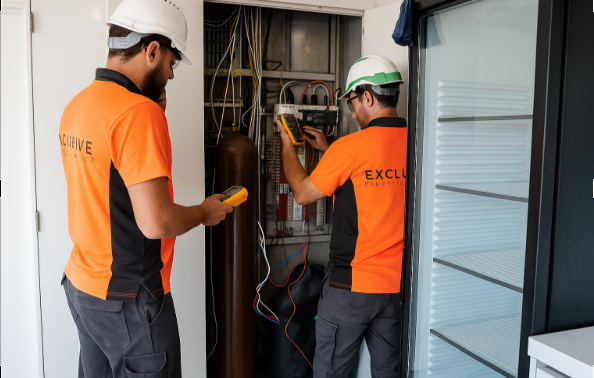
A detailed breakdown of what a licensed Brisbane electrician checks during an electrical safety inspection, including wiring, RCDs, switchboards, power points, appliances, and major hazard points.
Electrical problems often develop quietly; inside walls, ceilings, roof spaces, and switchboards.
A professional electrical safety inspection helps identify issues early, long before they cause fires, shocks, outages, or expensive damage.
Here’s exactly what a licensed electrician typically checks during a full safety inspection.
1. Switchboard Condition & Safety Check
The inspection almost always begins at the switchboard.
An electrician will look for:
RCDs (safety switches)
Modern circuit breakers
Old ceramic fuses
Overloaded circuits
Loose wiring
Evidence of heat damage
Correct earthing connections
Possible asbestos panels (in older switchboards)
Surge protection (if installed)
This determines whether your home’s electrical system meets modern standards.
2. RCD (Safety Switch) Testing
Safety switches are designed to stop electrocution in a fraction of a second.
During the inspection, the electrician will:
Perform a manual trip test
Check response time
Confirm RCDs are installed on all required circuits
Ensure they reset correctly
If an RCD fails or responds slowly, it must be repaired or replaced.
3. Wiring Condition Assessment (Roof Space, Walls, Underfloor)
Wiring naturally deteriorates over time. Especially in older Brisbane homes exposed to heat and humidity.
The wiring inspection may include checking for:
Brittle or cracking insulation
Overheating marks
Rodent damage
Exposed conductors
Old VIR or cloth wiring
Early 2000s PVC insulation breakdown
Unsafe junctions or taped joins
Loose terminations
Wiring issues are a major cause of house fires.
4. Power Point & Switch Safety Check
Faulty outlets and switches can cause arcing, overheating, and shock hazards.
Electricians often look for:
Loose sockets
Discolouration
Burn marks
Buzzing or crackling
Cracked faceplates
Incorrect earthing
Heat damage
Water exposure (especially outside)
Even one faulty outlet can be dangerous.
5. Circuit Load Testing
This checks whether your home’s electrical system can handle modern appliances.
An electrician may test circuits powering:
Air conditioners
Hot water systems
Fridges & freezers
Ovens
Pool equipment
Home theatres
Chargers and electronics
This identifies overloaded circuits, which are common in older homes.
6. Earthing & Bonding Verification
Proper earthing protects you from electric shock and stabilises your electrical system.
The electrician will typically check:
Earth stake condition
Earth wire continuity
Bonding on metal pipes or appliances (if relevant)
Loose or corroded earth connections
Poor earthing is one of the most serious electrical hazards.
7. Outdoor Electrical System Check
Because Brisbane’s climate brings storms, rain, and humidity, outdoor areas need extra attention.
An inspection may include:
Outdoor power points
Weatherproof rating (IP ratings)
UV damage
Moisture or water entry
Garden lighting cables
Pool or spa equipment wiring
Shed or garage circuits
Outdoor electrical faults are a major summer risk.
8. Solar Electrical Safety Check (If Applicable)
If the home has solar, an electrician may check:
Inverter condition
DC isolators
Rooftop wiring
Visible hot joints or burn marks
Water ingress
Shutdown procedure labels
This helps identify early signs of solar-related electrical issues.
9. Final Report, Findings & Recommendations
After the inspection, homeowners usually receive:
A summary of findings
Photos of hazards
Notes on non-compliance
Recommended repairs
Recommended upgrades
Safety priorities (urgent vs. future improvements)
This helps you understand what needs attention and why.
Final Word: Electrical Safety Inspections Prevent Major Problems
A professional electrical inspection helps detect issues that aren’t visible day-to-day, including:
Shock hazards
Fire risks
Overloaded circuits
Ageing wiring
Faulty outlets
Failing safety switches
Outdoor electrical issues
Whether your home is older, renovated, or full of modern appliances, an inspection is one of the most effective ways to stay safe.