Why Solar Systems Shut Down on Extreme Brisbane Heat Days
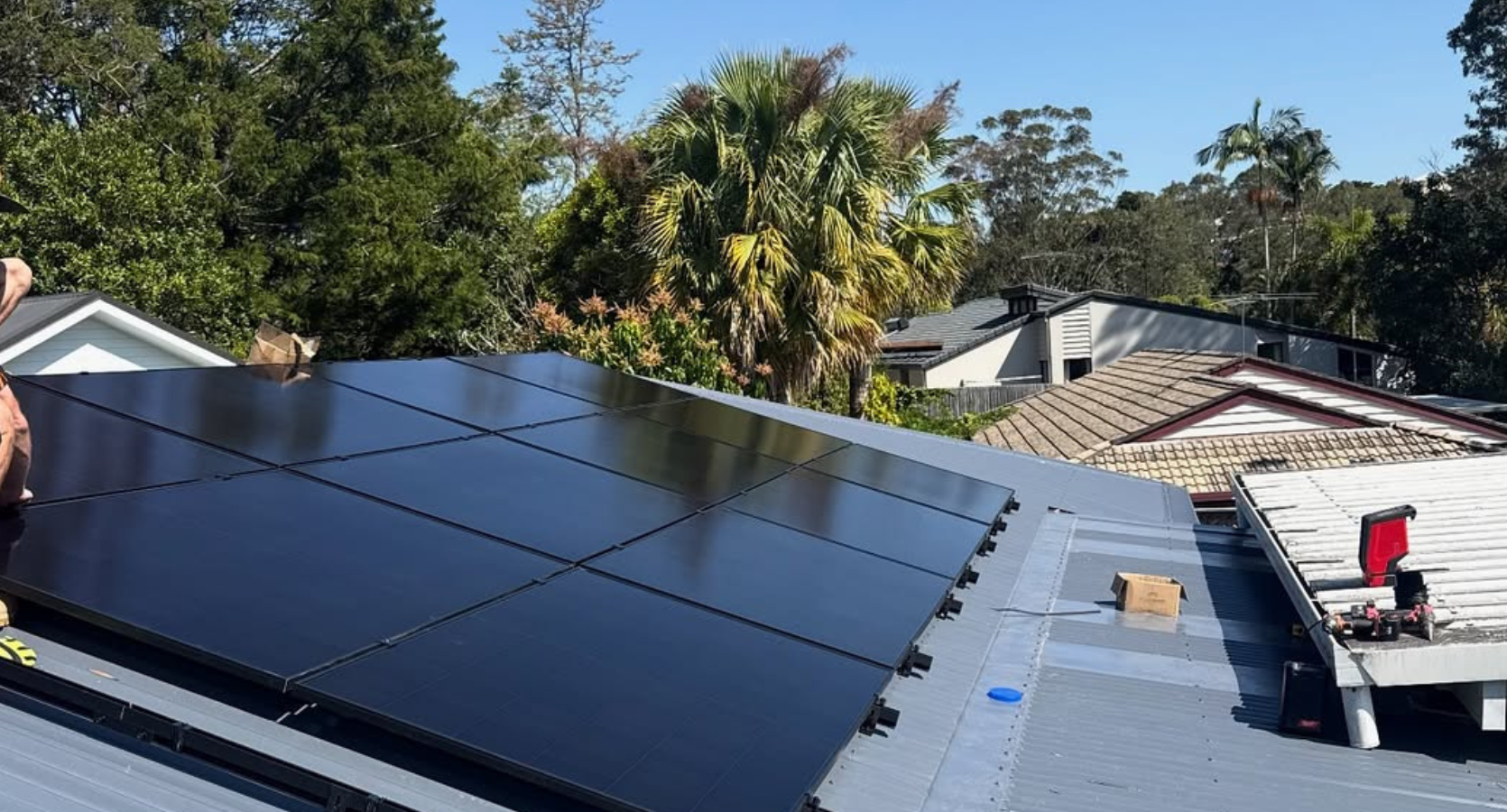
Brisbane’s extreme heat can cause solar systems to shut down, derate, or produce far less power. Here’s what homeowners need to know, and how to prevent it.
Brisbane loves the sun, but your solar system doesn’t.
Every summer, homeowners notice their solar output drops dramatically, or worse, the entire system shuts down in the middle of a perfect sunny day.
Here’s the truth:
Solar panels LOVE sunlight.
Solar panels HATE heat.
And extreme Brisbane heatwaves push solar systems past their safe operating limits.
Let’s break down exactly why it happens and how you can protect your system.
1. Solar Inverters Overheat (Most Common Cause)
Your inverter is the brain of your solar system, and it has a temperature limit.
When Brisbane temperatures hit 35°C–40°C, the inside of an inverter can exceed:
70°C
80°C
Sometimes even higher
At this point, the inverter will:
✔ derate (reduce power)
✔ shut down automatically
✔ display a temperature or overload fault
✔ reboot repeatedly
This is a built-in safety mechanism to prevent damage.
Overheating inverter = ZERO solar output.
2. Solar Panels Lose Efficiency in High Heat
It sounds backwards, but panels actually produce more power in cold weather.
On extremely hot days, panels:
✔ become less efficient
✔ lose voltage
✔ reach their thermal limit
✔ cause system-wide derating
Typical temperature loss is 15–25%, but on Brisbane roofs, it can be even more.
Why?
Roof temps regularly exceed 60°C–80°C in summer.
3. Poor Ventilation Around the Inverter
Inverters installed:
inside hot garages
tight meter boxes
walls with full sun exposure
unventilated locations
Reach high temperatures extremely quickly.
If there’s no airflow, the inverter CANNOT cool itself.
This leads to:
shutdowns
power drops
frequent fault codes
reduced lifespan
A simple shaded or ventilated installation makes a massive difference.
4. DC Isolator Problems (A Major Cause in QLD)
DC isolators- especially roof-mounted ones, are notorious for failing in heat.
High temperatures cause:
cracking
moisture buildup
internal melting
corrosion
arcing
If a DC isolator overheats, your system may:
✔ shut down
✔ produce burning smell
✔ trip safety switches
✔ become a fire hazard
This is one of the BIGGEST solar risks in Queensland.
5. Voltage Rise During Peak Solar Hours
On bright, hot days, every house in the street exports solar at the same time.
This causes voltage rise, leading to:
inverter shutdown
“grid overvoltage” errors
random rebooting
lost solar production
This problem is extremely common in Brisbane suburbs with high solar saturation.
6. Faulty Fans or Cooling Components Inside the Inverter
Most modern inverters have:
✔ cooling fans
✔ heat sinks
✔ temperature sensors
If any of these fail, the inverter CANNOT cool down, and it will:
✔ derate
✔ shut off
✔ throw fan error codes
✔ fail completely
If your inverter sounds noisy, weak, or unusually quiet, get it checked.
7. The Roof Itself Overheats
Metal roofs become solar “ovens.”
If panels sit too close to a hot roof surface, heat gets trapped under the modules, leading to:
hot cells
degraded performance
microcrack expansion
thermal shutdown
Proper mounting height improves airflow, and performance.
Is Heat Shutdown Normal?
Yes AND no.
A small power drop in extreme heat = normal.
A full system shutdown = NOT normal.
If your inverter regularly shuts down, it’s warning you that:
✔ cooling is insufficient
✔ airflow is blocked
✔ components are failing
✔ voltage levels are unsafe
✔ isolators are heating up
✔ the installation is poor
A healthy system should continue producing power even on hot days.
When You Should Call a Solar Electrician
Contact a professional if you notice:
“Overtemperature” or “Thermal Fault”
Solar output suddenly drops to zero
Inverter shuts down during midday
Burning smell from the isolator
Inverter too hot to touch
Fault codes appearing on hot days
Repeated afternoon shutdowns
These are signs of:
failing isolators
inverter overheating
wiring issues
voltage rise faults
incorrect installation
Final Word: Brisbane Heat Is Tough on Solar But, Your System Shouldn’t Keep Shutting Down
Heatwaves are normal.
Solar shutdowns are NOT.
A well-installed, well-maintained solar system should continue performing safely, even in Queensland summers.
👉 If your solar shuts down on hot days, call Exclusive Electrical & Air for a full solar inspection or inverter diagnosis.
Stay cool.
Stay powered.
Stay safe