Why Your Power Points Don’t Work But Lights Still Do
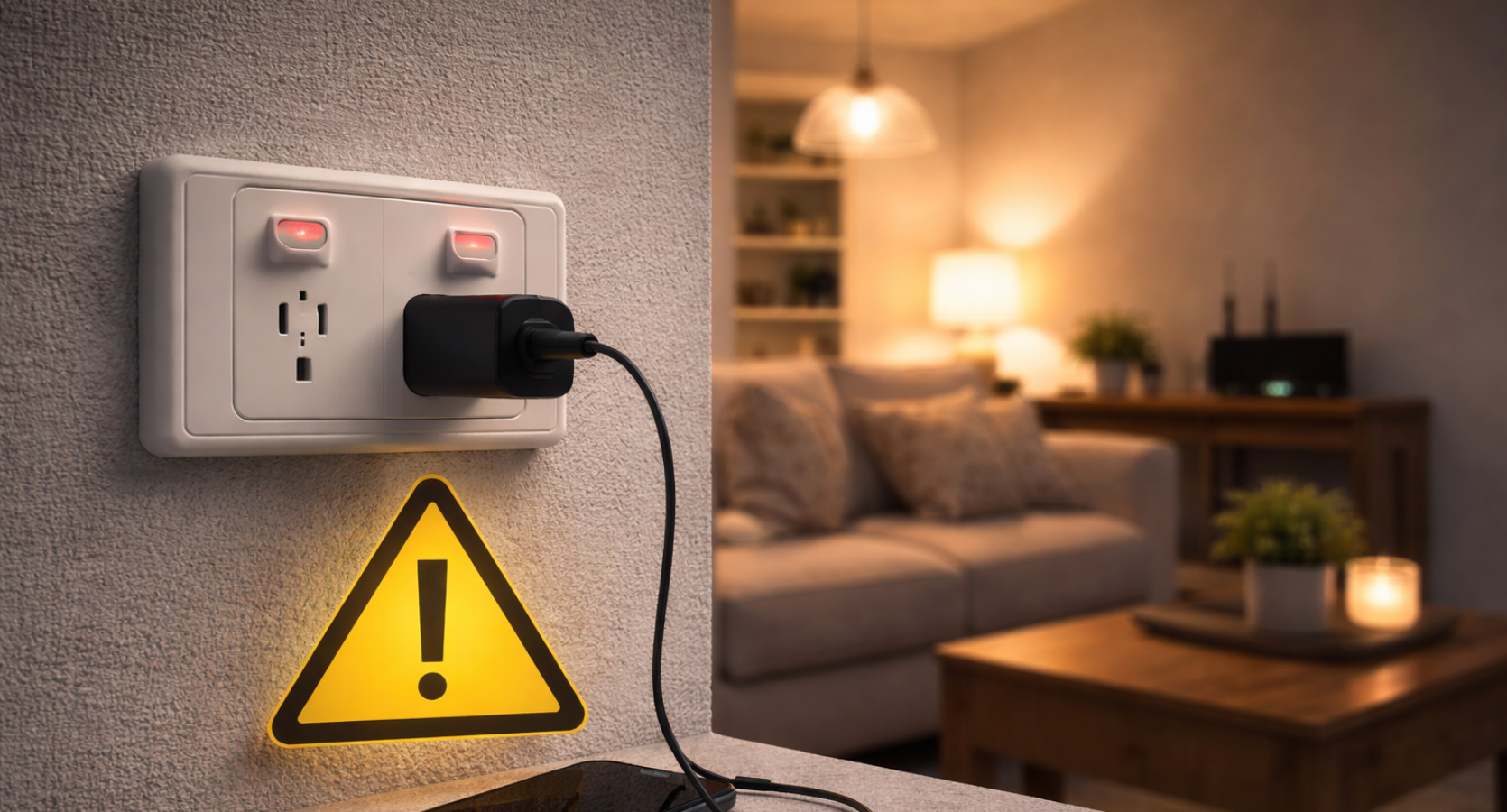
A Brisbane-focused guide explaining why your lights can still work while power points don’t, the most common electrical causes behind this fault, and when it becomes a safety issue that needs a licensed electrician.
If your lights are working but your power points aren’t, it feels confusing. And in Brisbane homes, it’s a very common electrical fault.
Here’s the key thing to understand:
Lights and power points are usually on different circuits.
So when power points stop working but lights still do, it usually means:
one circuit has failed
a safety device has isolated power
or there’s a fault affecting only the power circuit
And while it might not feel urgent at first, this type of fault can indicate overload, wiring damage, or moisture issues that shouldn’t be ignored.
Let’s break down the most common causes and what to do next.
Quick Diagnosis Checklist (Before You Start Resetting Things)
Check these first:
Are all power points dead, or only some rooms?
Did this happen suddenly or after a storm, heatwave, or appliance use?
Has the safety switch or breaker tripped?
Do outdoor power points still work?
Did a high-load appliance (kettle, heater, aircon) run just before it happened?
These clues help identify whether it’s a circuit issue, safety switch trip, or wiring fault.
1. The Power Point Circuit Has Tripped (Most Common Cause)
In most Brisbane homes, power points are protected by their own breaker and safety switch.
If that circuit trips, you’ll lose all power points. But lights may stay on.
Common triggers:
overloaded power boards
multiple high-load appliances on one circuit
faulty appliance plugged in
heat buildup in summer
moisture affecting outdoor outlets
Signs:
lights still work normally
all power points on one level or area are dead
breaker or RCD may appear “off” or halfway
resetting restores power briefly, then it trips again
If it trips repeatedly, there’s an underlying fault.
2. A Safety Switch (RCD) Has Isolated the Power Point Circuit
Safety switches are designed to cut power when electricity leaks where it shouldn’t.
Outdoor power points are a very common trigger in Brisbane.
Causes include:
moisture after rain
water in outdoor GPOs
damaged extension leads
faulty appliances
deteriorated wiring insulation
Signs:
power points stop working suddenly
safety switch trips when you reset it
it works again once things dry out
trips again during rain or humidity
Repeated RCD trips mean the fault needs testing, not resetting.
3. One Power Point Has Failed and Taken the Circuit With It
In many homes, power points are wired in a loop.
If one outlet fails, it can stop power flowing to all others downstream.
Common causes:
loose terminals
burnt connections
internal arcing
worn power point contacts
Signs:
one outlet feels warm
crackling or buzzing sound from a wall
black marks on a power point
power points stopped working suddenly without a storm
This is a common hidden fault behind the wall.
4. Moisture or Damage in Outdoor Power Points
Outdoor outlets are one of the biggest reasons indoor power points stop working.
If an outdoor GPO takes on water, the safety switch may isolate the entire circuit.
Common Brisbane scenarios:
heavy rain or storms
cracked outlet covers
garden irrigation spraying the outlet
insects building nests inside the housing
Signs:
power points stop working after rain
safety switch trips when using outdoor power
outlet works again when dry
issue returns with the next storm
Moisture-related faults usually get worse over time.
5. A Loose or Burnt Connection in the Switchboard
Loose terminals inside the switchboard can isolate part of the system.
Storms, heat, and load can cause:
terminals to loosen
overheating
partial circuit failure
Signs:
power points dead but lights fine
buzzing near the switchboard
burning smell
breaker feels warm or hot
intermittent power loss
This can become a fire risk if ignored.
6. Damage to the Power Circuit Wiring
Wiring faults can stop power points from working while lights remain unaffected.
Causes include:
rodent damage
heat-damaged insulation
old wiring in roof spaces
accidental damage during renovations
moisture in wall cavities
Signs:
power points remain dead even after resets
certain rooms are affected
issue appeared suddenly
no obvious breaker trip
This requires proper fault testing.
What You Should NOT Do
Avoid these common mistakes:
don’t keep resetting breakers repeatedly
don’t assume it’s “just one outlet”
don’t open power points yourself
don’t use extension leads from other rooms as a workaround
If the circuit is faulty, using it can make things worse.
When It’s a Safety Emergency (Call Immediately)
Call a licensed electrician urgently if you notice:
burning smell near outlets or switchboard
buzzing or crackling from walls
power points feel warm or hot
safety switch won’t reset
repeated circuit trips
partial power across the home
issue started after a storm or surge
These signs can indicate overheating, arcing, or wiring damage.
Final Word: Lights and Power Points Are Separate for a Reason
If your lights still work but power points don’t, it usually means the power circuit has been isolated or damaged.
In Brisbane homes, the most common causes are:
tripped power point circuit
RCD isolation due to moisture
failed or burnt outlet
loose switchboard connections
wiring faults
The sooner it’s checked, the safer and cheaper the fix usually is.
👉 Need a licensed electrician in Brisbane to restore power points safely?
Contact Exclusive Electrical & Air to test the circuit, locate the fault, and get your power points working again without risking further damage.