Why Your Switchboard Feels Warm (And When to Worry)
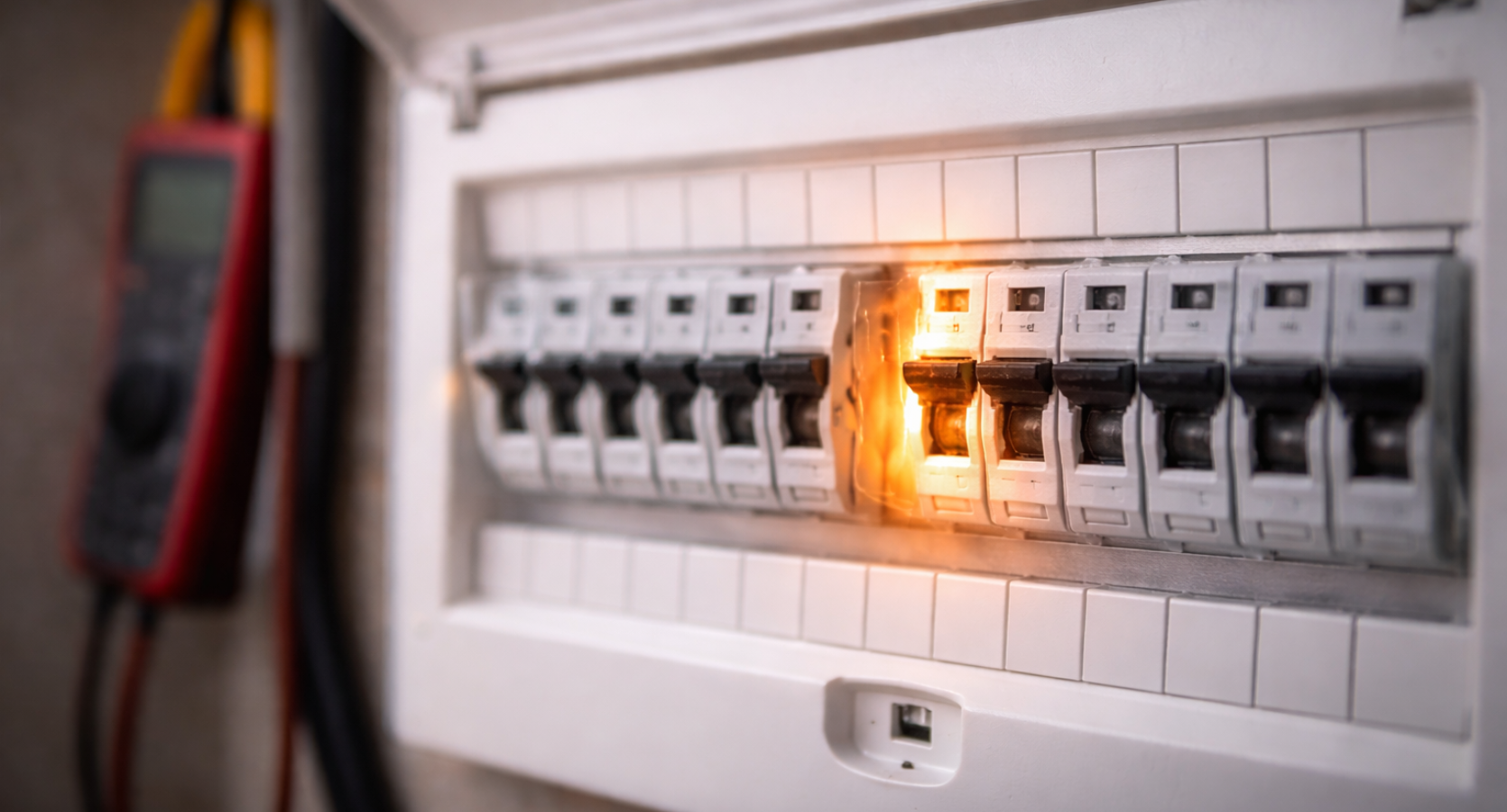
A slightly warm switchboard can be normal under load, but excessive heat may indicate overloaded circuits or faulty connections. Brisbane homeowners should know when it’s a warning sign.
Why Your Switchboard Feels Warm (And When to Worry)
You open the switchboard, touch it, and notice it’s warm.
Not hot. Not alarming. Just… warmer than expected.
That’s enough to make anyone pause.
Here’s the truth: a slightly warm switchboard can be normal. But there’s a very clear line between normal operating warmth and a system under stress.
Understanding that difference can prevent bigger electrical problems later.
Is It Normal for a Switchboard to Feel Warm?
Yes, to a degree.
Electricity flowing through circuits generates heat. Your switchboard distributes power across multiple circuits, so some warmth is expected, especially when:
Multiple appliances are running
Air conditioning is in use
High-load devices are operating
It’s a warm Brisbane day
If the warmth is mild and consistent, it’s usually part of normal operation.
When Warm Becomes a Problem
Now the important part.
A switchboard should never feel:
Hot to the touch
Unevenly warm (one section much hotter than others)
Accompanied by smell, noise, or discolouration
That’s when it stops being “normal” and starts being a warning.
1. High Electrical Load
The most common reason for a warm switchboard is simply high demand.
If your home is running:
Air conditioning
Ovens and cooktops
Heaters
Multiple appliances simultaneously
your switchboard is working harder.
More current = more heat.
If your electrical system is properly designed, it handles this safely. If not, heat builds up faster than it should.
2. Overloaded Circuits
Older Brisbane homes often have fewer circuits than modern homes need.
When too many appliances run on one circuit:
Current increases
Heat builds up in breakers and wiring
The switchboard warms up more than normal
This is often accompanied by:
Breakers tripping occasionally
Lights dimming under load
Internal link suggestion: installing additional circuits.
3. Loose Connections Inside the Switchboard
This is where things get more serious.
Loose electrical connections create resistance.
Resistance = heat.
Inside a switchboard, loose terminals or connections can cause:
Localised overheating
Uneven heat distribution
Increased risk of arcing
You won’t see this from the outside, but you may notice:
One breaker warmer than others
Slight buzzing or humming
Intermittent electrical issues
Loose connections are a known cause of electrical faults and fires.
4. Ageing Switchboard Components
Switchboards don’t last forever.
Over time:
Breakers wear out
Connections degrade
Materials lose efficiency
Older switchboards may struggle to handle modern electrical demand, especially in homes that have added:
Air conditioning
Home offices
New appliances
EV chargers
Internal link suggestion: switchboard upgrades Brisbane.
5. Poor Ventilation or Location
Switchboards installed in:
Enclosed cupboards
Tight wall cavities
Areas with poor airflow
can retain heat.
Brisbane’s climate doesn’t help either. Warm ambient temperatures combined with electrical load can make the board feel warmer than expected.
6. Faulty Circuit Breakers
Sometimes the issue is isolated.
A single faulty breaker can:
Generate excess heat
Trip inconsistently
Fail to distribute load properly
If one section of your switchboard is noticeably warmer, this could be the cause.
Warning Signs You Shouldn’t Ignore
You should arrange an inspection immediately if you notice:
Switchboard feels hot (not just warm)
Burning or plastic smell
Discolouration around breakers
Buzzing or crackling sounds
Frequent breaker trips
Heat concentrated in one area
These are not “keep an eye on it” situations.
Why Overheating Is Dangerous
Excess heat inside a switchboard can lead to:
Insulation breakdown
Electrical arcing
Component failure
Increased fire risk
Electrical systems are designed to manage heat. When they can’t, something is wrong.
How Electricians Diagnose the Issue
A licensed electrician will typically:
Measure load across circuits
Inspect breaker condition
Check connection tightness
Look for signs of overheating
Assess overall system capacity
This allows them to identify whether the issue is:
Normal load
Overloaded circuits
Faulty components
Wiring problems
How to Prevent Switchboard Overheating
Brisbane homeowners can reduce risk by:
Avoiding running too many high-load appliances together
Installing additional circuits where needed
Upgrading older switchboards
Scheduling regular electrical inspections
Internal link suggestion: electrical inspections Brisbane.
When to Call a Licensed Electrician
You should call an electrician if:
The switchboard feels hotter than usual
Heat is increasing over time
You notice any warning signs
Your home has an older electrical system
You’ve recently added new appliances
Electrical work in Queensland must comply with the Electrical Safety Act 2002 (QLD).
FAQs: Warm Switchboards
Is it normal for a switchboard to be warm?
Yes, a slight warmth under load is normal. It should never feel hot.
Why is one breaker warmer than others?
This may indicate a higher load on that circuit or a faulty breaker.
Can a warm switchboard cause a fire?
Excessive heat can increase fire risk if caused by faults or loose connections.
Should I open my switchboard to check?
You can visually inspect, but internal work should only be done by a licensed electrician.
Do I need a switchboard upgrade?
If your system is older or struggling with load, an upgrade may improve safety and performance.
Don’t Ignore Subtle Warning Signs
A warm switchboard is one of those early indicators people tend to overlook.
It might be nothing.
Or it might be the first sign your electrical system is under more strain than it should be.
Exclusive Electrical & Air helps Brisbane homeowners with:
Switchboard inspections
Electrical load assessments
Circuit upgrades
Switchboard replacements
Fault diagnosis
If your switchboard is starting to feel warmer than usual, it’s worth checking before it decides to make the problem more obvious.